
By JC Apparel Editorial Team • July 24, 2026
Choosing a low MOQ baby clothing manufacturer is not only about finding the smallest number on a quotation. The right supplier must also help you control product specifications, sampling, material records, printing, quality checkpoints and destination-market requirements.
For a new or growing babywear brand, a smaller first order can reduce inventory exposure and create room to test fit, colors and customer demand. However, the order is only genuinely low risk when the factory can explain what the MOQ includes and how the project will move from a tech pack to an approved shipment.
The best way to evaluate a low-MOQ babywear supplier is to check five things together: the exact MOQ unit, sample-development process, material and certification trail, documented QC workflow and the responsibilities for your target market.
This guide shows you what to ask before paying a deposit and how JC Apparel structures eligible small-batch babywear projects.
Let’s jump right in!
1. Define What “Low MOQ” Means for Your Project
MOQ means minimum order quantity, but the number is incomplete unless the quotation also defines the style, color, fabric, print, size breakdown and packaging included. When a low MOQ baby clothing manufacturer provides a starting number, ask which production variables can change it.
At JC Apparel, a typical starting MOQ for eligible babywear projects is 50 pieces per color per style. The final quantity still depends on fabric availability, the printing method, the size breakdown and the specifications of the project.
Why the unit matters
- Style: A bodysuit and a two-piece set are different production units, even if they use the same fabric.
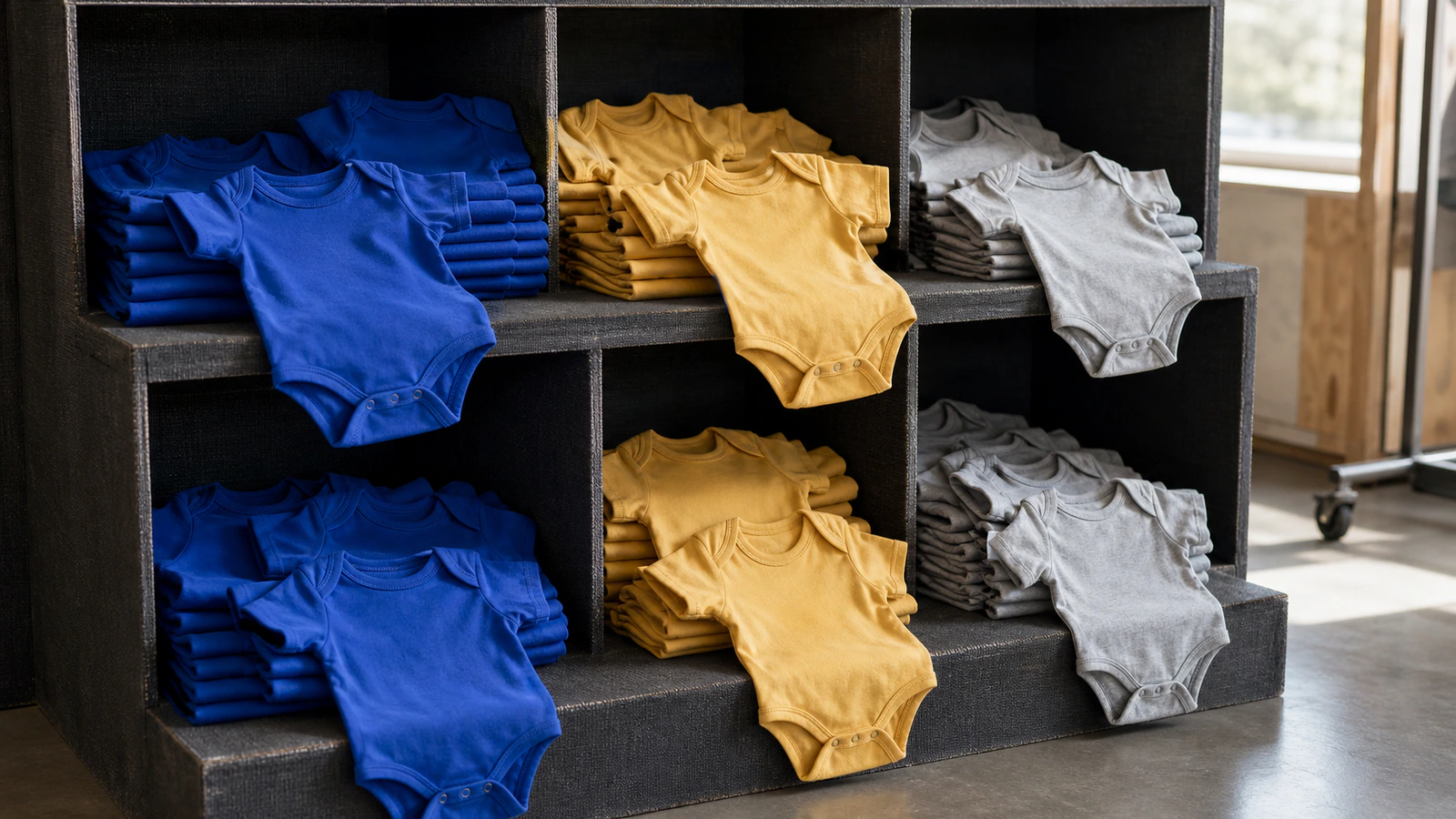
- Color: Three colorways can turn a 50-piece starting point into 150 pieces for one style.
- Size breakdown: Ask whether the quoted quantity can be divided across your required sizes. Do not assume a mixed-size policy until it is written into the quotation.
- Fabric and trims: Custom-dyed fabric, special rib, exclusive snaps or branded packaging can have supplier minimums that are higher than the garment MOQ.
- Artwork: Digital printing and screen printing have different setup requirements, so the most suitable method depends on the artwork and order.
A useful quotation therefore says “50 pieces per color per style, subject to the confirmed specification” instead of presenting 50 pieces as an unconditional promise.
2. Classify the Product and Destination Market First
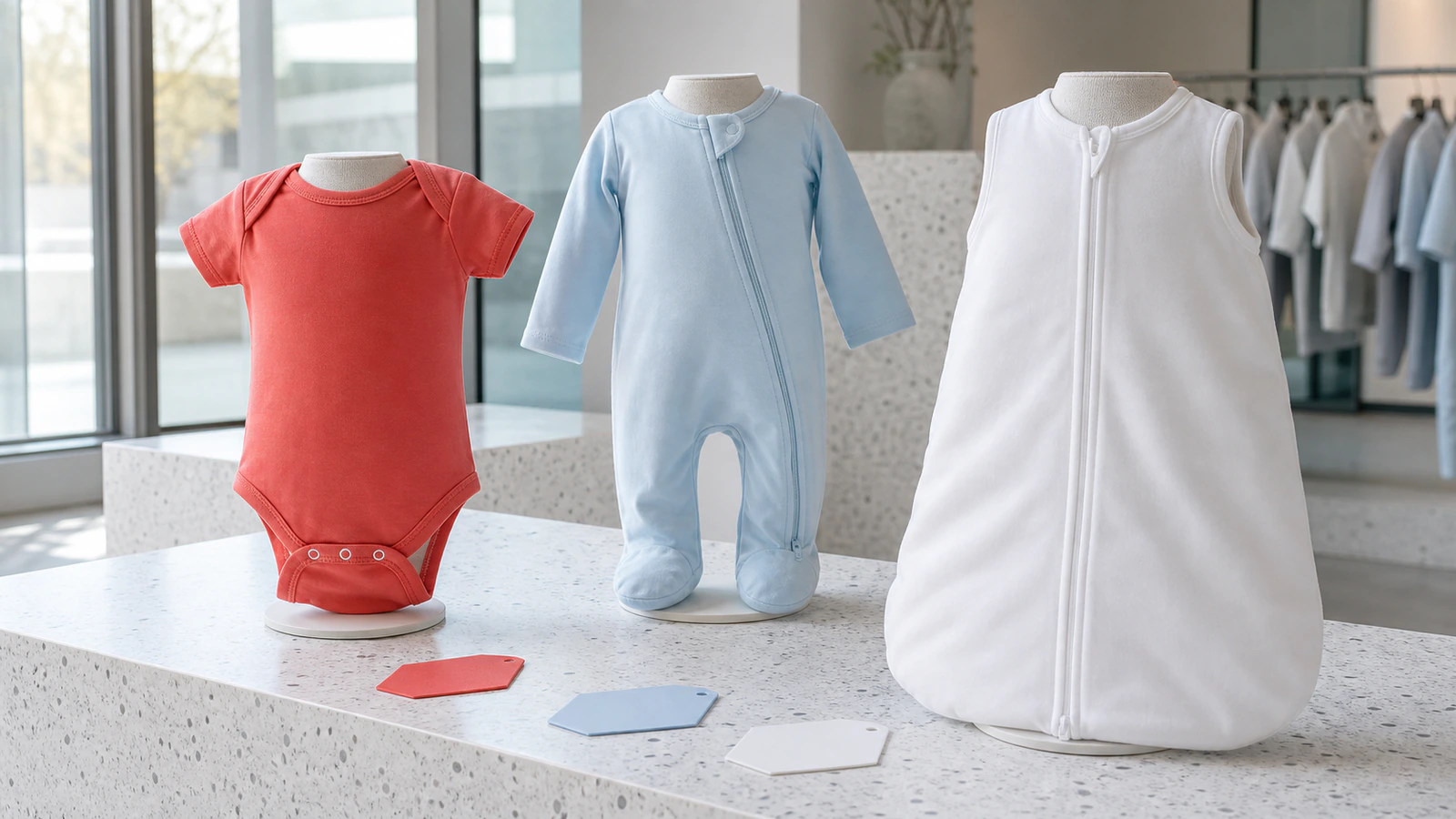
Before discussing fabric or price, tell the manufacturer what the product is, who will wear it and where it will be sold. Baby daywear, sleepwear and sleep sacks can follow different safety, testing and labelling routes.
This decision should be made at the brief stage because a change in product classification can affect fit, construction, labels, testing and material selection.
| Target market | Confirm at the start | Official starting point |
|---|---|---|
| United States | Product category, intended age, applicable testing and permanent tracking information | U.S. CPSC tracking-label guidance |
| Canada | Whether the item is daywear, sleepwear, a sleeper or a sleep sack, plus the applicable flammability route | Health Canada children’s sleepwear guidelines |
| Australia | Whether nightwear or limited daywear falls within a mandatory category, including testing and fire-hazard labelling | ACCC Product Safety nightwear standard |
| United Kingdom | Fibre-composition labelling and any product-specific nightwear requirements | GOV.UK textile-labelling guidance and the Nightwear (Safety) Regulations 1985 |
These links are starting points, not a complete compliance plan. The buyer or importer should confirm the current requirements for the exact product, age group, materials, trims and market, with laboratory or professional support where necessary.
3. Prepare a Production-Ready Brief Before Requesting Prices
A low MOQ does not reduce the need for clear product information. In fact, small orders have less room to absorb avoidable revisions, so an accurate brief is especially valuable when comparing a custom baby clothing manufacturer.
Send the manufacturer as much of the following as possible:
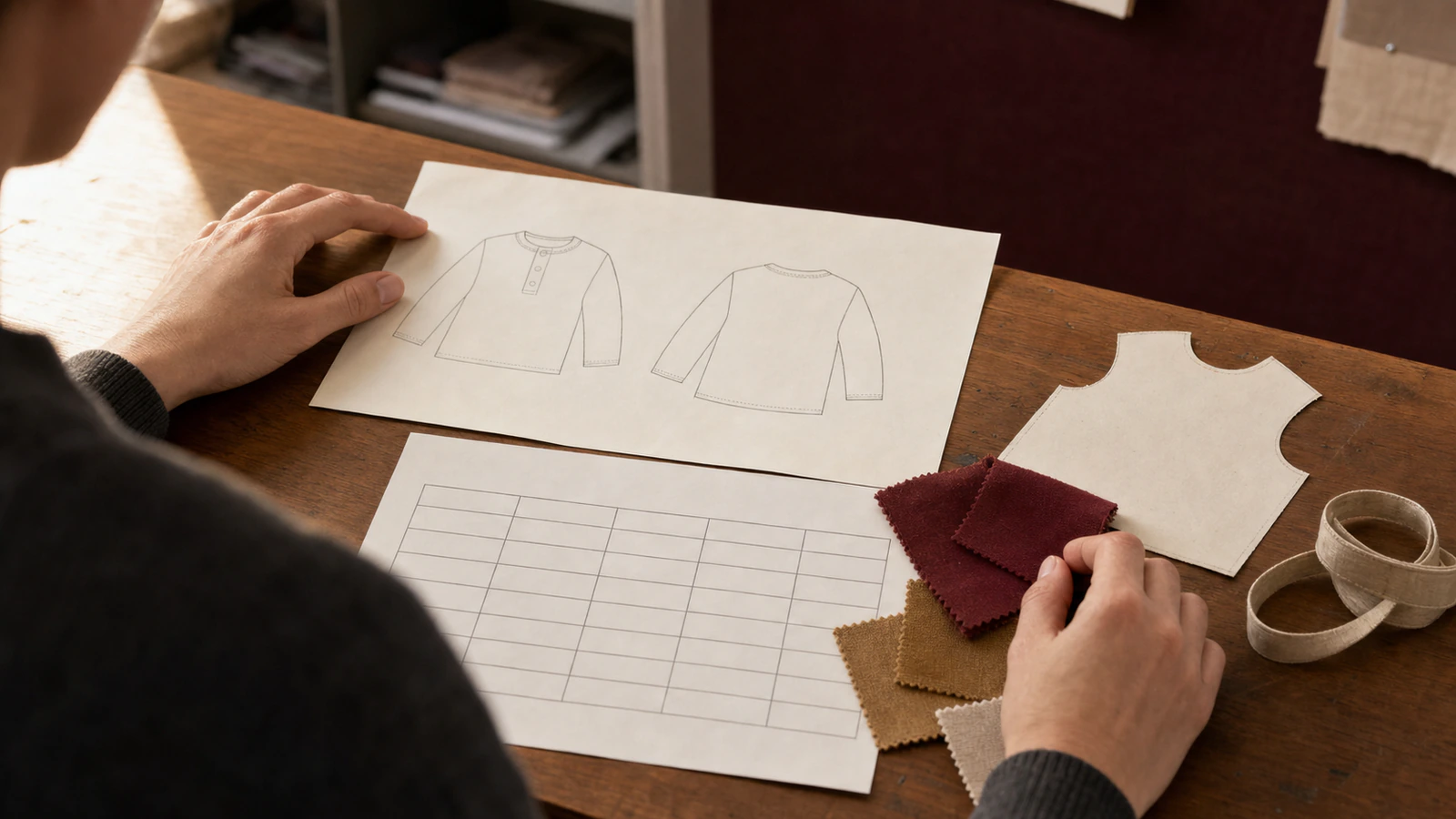
- Flat sketches or clear reference images
- Tech pack and bill of materials
- Intended age and size range
- Points of measurement and tolerances
- Fabric composition, structure, weight and color
- Print artwork, scale, placement and color references
- Snap, zipper, elastic and other trim requirements
- Main label, care label, size label and tracking information
- Folding, packaging, barcode and carton requirements
- Destination market and planned product category
- Required certification, testing and inspection documents
If your specification is incomplete, ask which items must be closed before sample timing begins. A reliable manufacturer should separate confirmed information from open questions and record later changes in writing.
You can also review JC Apparel’s broader custom manufacturing capabilities before preparing your enquiry.
4. Use Sampling to Remove Production Uncertainty
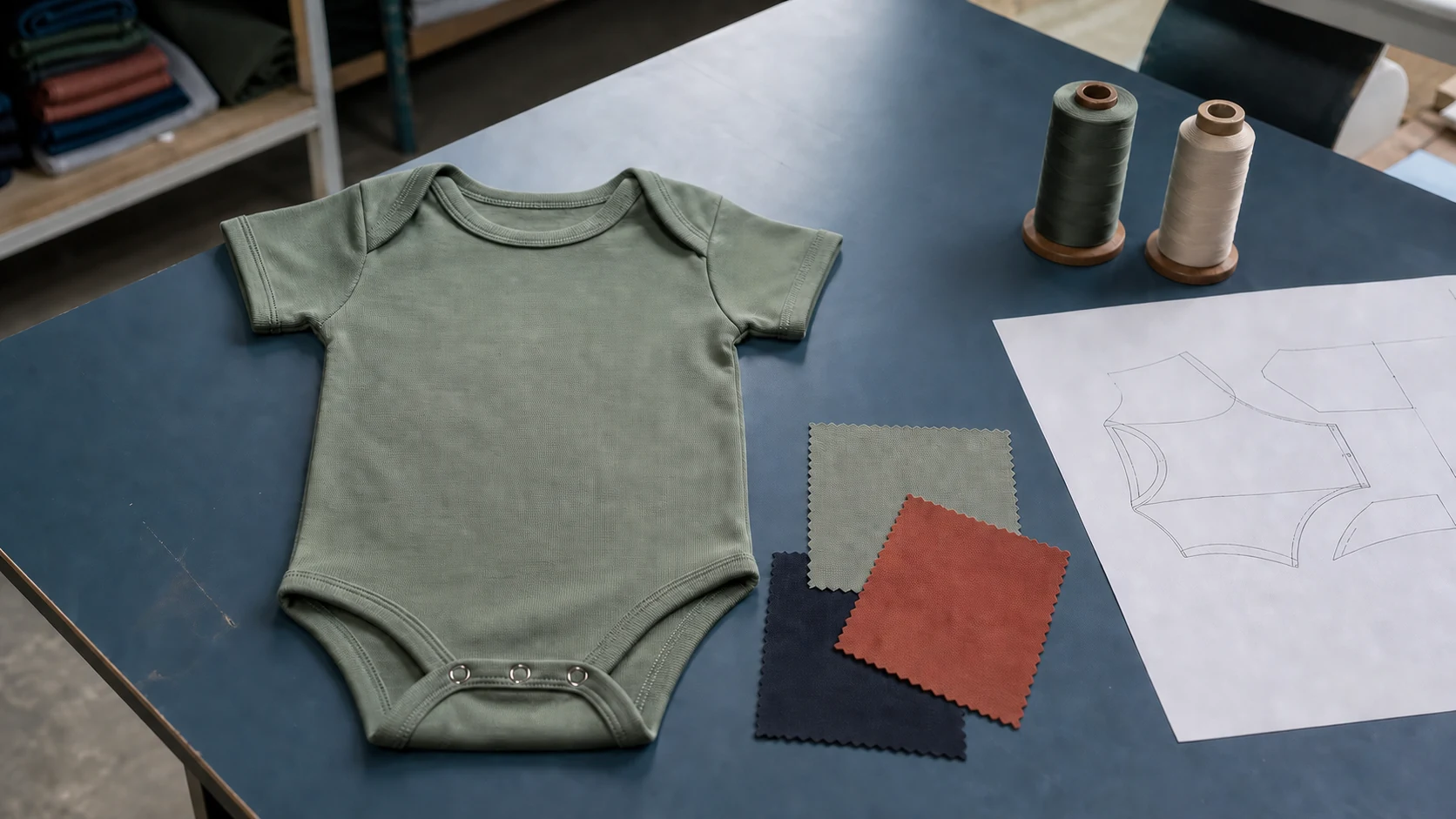
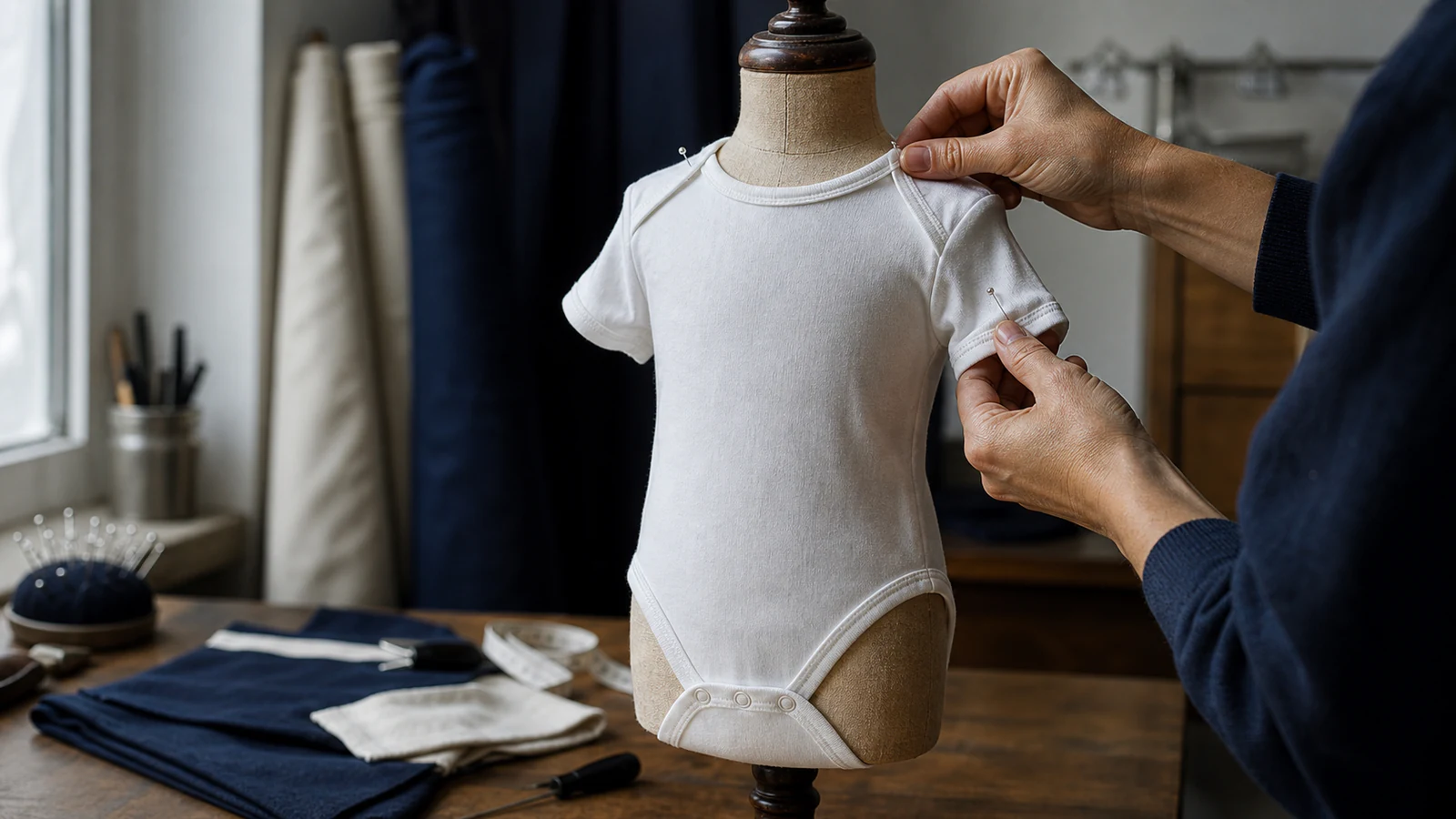
The sample stage is where design intent becomes a physical garment. Use it to check fit, proportions, seams, binding, artwork, trims, labels and wash performance before bulk production.
Sample fees and development timing are quoted after JC Apparel reviews the garment design, fabric, trims, testing needs and customization requirements. The approved fee, expected schedule and revision arrangement are confirmed in writing before development begins.
| Sampling item | What the buyer should confirm |
|---|---|
| Sample price | What is included, whether shipping is separate and how revisions are charged |
| Start date | The exact date on which all required sample details are considered confirmed |
| Materials | Whether the sample uses bulk-intent fabric, trims, colors and printing |
| Measurements | Which points and tolerances will be reviewed |
| Approval | Who can approve the sample and how changes will be recorded |
| Delivery | Whether the quoted timing includes international shipping |
Do not approve a sample only from photographs if construction, hand feel or fit needs physical review. Keep one written approval version so the factory, QC team and buyer refer to the same standard.
5. Verify Organic Cotton and Certification Coverage
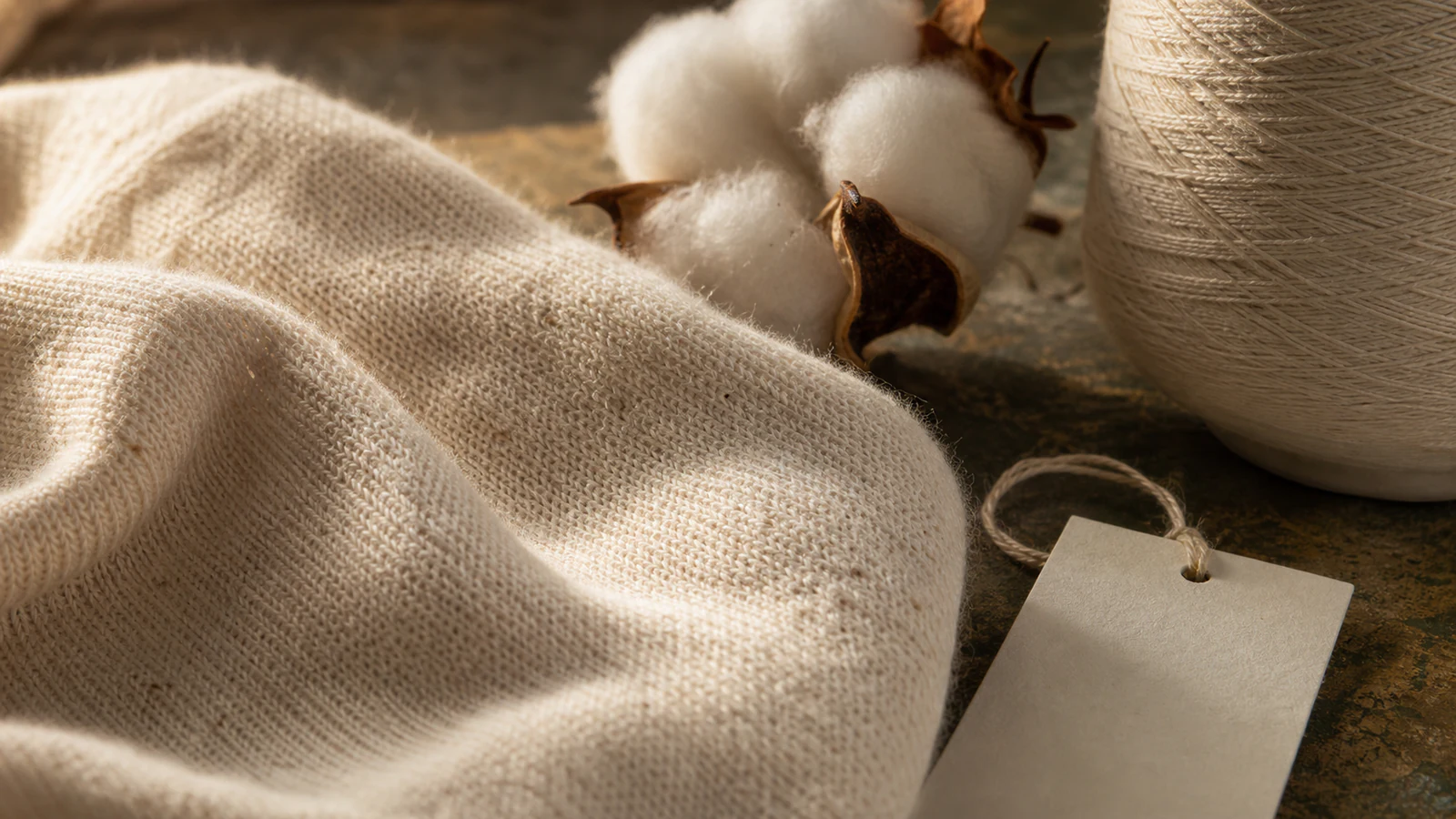
“Organic cotton,” “certified company” and “certified product” are related but different claims. A buyer should verify the material, the certified entity, the scope and the documents that connect the claim to the order.
The official standards describe different functions:
- GOTS covers textile processing and manufacturing using certified organic fibres, with certification and traceability requirements across the relevant supply chain.
- The Organic Content Standard is a chain-of-custody standard for verifying organically grown material through the supply chain.
- OEKO-TEX® ORGANIC COTTON provides farm-to-product verification and testing within its defined certification scope.
For eligible babywear programs, JC Apparel works with 100% organic cotton and holds GOTS, OCS and OEKO-TEX® ORGANIC COTTON certifications. Certification coverage is not automatic for every fabric, style or order. When a project requires a certified product claim, the selected material and product must be checked against the applicable certificate scope and the available transaction or batch records before the claim is confirmed.
Tell the manufacturer your certification and labelling requirements at the quotation stage. Before using a certification logo or describing a specific product as certified, confirm the correct label grade or claim, certificate details, approval requirements and order-level documentation.
6. Choose the Printing Method Around the Artwork and Quantity
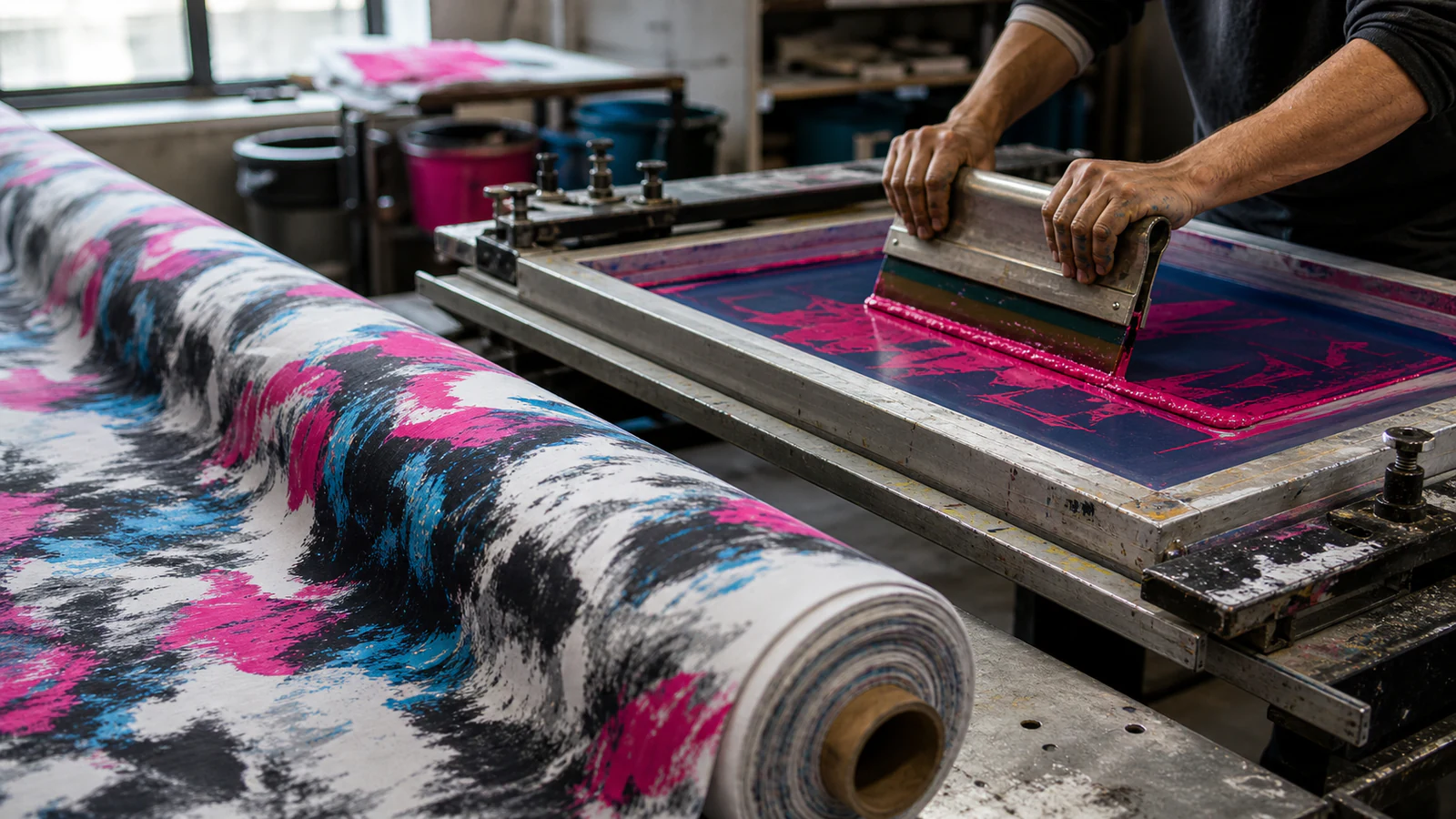
JC Apparel commonly works with digital printing and screen printing. Neither method is automatically better; the decision depends on the artwork, fabric, color requirements, hand feel, quantity and approved performance criteria.
| Factor | Digital printing | Screen printing |
|---|---|---|
| Artwork | Useful for detailed or multi-color artwork | Useful for graphics that can be separated into defined screens |
| Setup | Less dependent on one screen per color | Requires screen preparation and color separation |
| Small-batch flexibility | Often worth evaluating for detailed, lower-volume artwork | Can be practical when the design and quantity justify setup |
| Color approval | Approve a strike-off and compare with the agreed reference | Approve ink colors, screen registration and a strike-off |
| Production checks | Review clarity, placement, color and wash result | Review placement, registration, curing, surface and wash result |
Ask for a print strike-off before bulk printing. The approval should identify the artwork version, dimensions, placement, color reference and fabric. If a print, ink or surface coating creates a market-specific testing requirement, include it in the approved test plan instead of assuming that the material certificate covers the finished decoration.
7. Check Whether QC Is Documented for Small Orders
“Strict QC” is not useful unless the supplier can explain the checkpoints and records behind it.
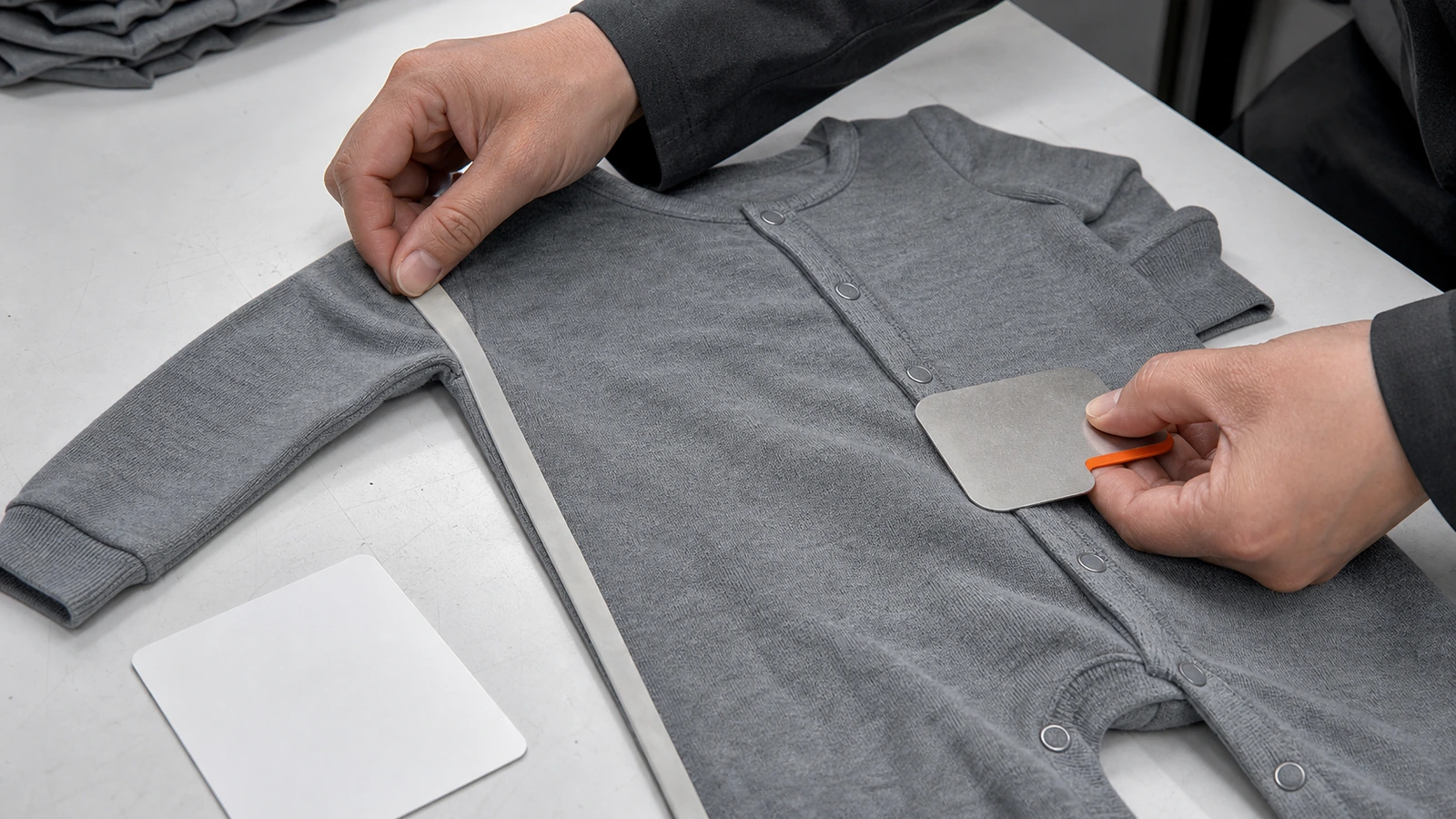
For low-MOQ babywear orders, JC Apparel uses a documented, gate-based QC workflow. It starts with order and product-classification review, followed by supplier-document and incoming-material verification, pre-production sample approval, cutting and printing first-off checks, sewing inspections, measurement control, attachment checks, and a piece-by-piece final review of appearance, product identity, labels, basic function and critical safety-related workmanship.
Nonconforming items are segregated, corrected or rejected, and re-inspected before packing and shipment release. Attachment testing, metal detection and third-party laboratory work are defined according to the product, destination market and buyer-approved test plan, and may be handled by approved external providers.
Buyer QC checklist
- Is a pre-production sample approved before bulk cutting?
- Are the tech pack, BOM, measurement chart, tolerances and written changes version-controlled?
- Can fabric and trims be linked to their supplier and batch records?
- Are cutting, printing and sewing first-off approvals documented?
- Are inspections performed during production, not only at the end?
- Which points receive piece-by-piece checks on a small order?
- How are snaps, buttons, zippers and decorative attachments evaluated?
- Is there a documented broken-needle and product-isolation procedure?
- Do laboratory reports cover the actual material, color, print, trim and product version?
- Are failed or reworked items segregated and re-inspected?
- Can the shipment be traced to its order, material batches, inspection records and cartons?
This production QC process supports control and traceability. It does not replace the buyer’s or importer’s compliance review or any applicable laboratory testing.
8. Plan the Timeline From Confirmed Milestones
Bulk timing should begin from a defined commercial and technical milestone, not from the first enquiry.
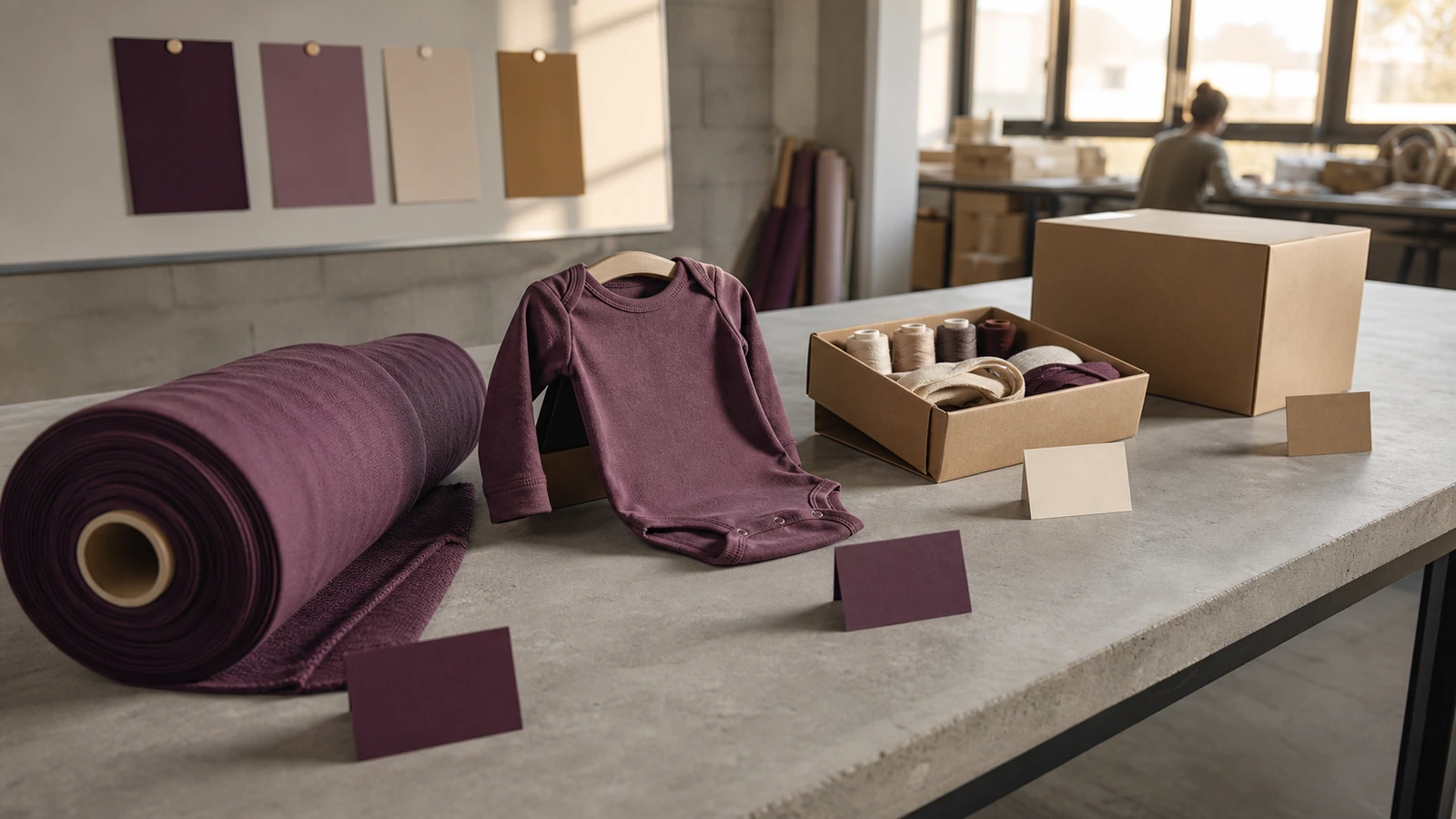
At JC Apparel, bulk production commonly takes about one to two months from receipt of the deposit, subject to confirmed order details, final sample approval, material availability and the production schedule.
A practical timeline includes:
- Specification and quotation review
- Sample-detail confirmation
- Sample development
- Sample delivery and buyer review
- Written revisions, if required
- Final sample and order confirmation
- Deposit
- Material preparation and bulk production
- Inspection, packing and shipment release
- International transport and customs clearance
The one-to-two-month production estimate should not be presented as including international transport or customs clearance. Ask the supplier to show dependencies and approval deadlines on the order calendar.
9. Ask These Questions Before Paying a Deposit
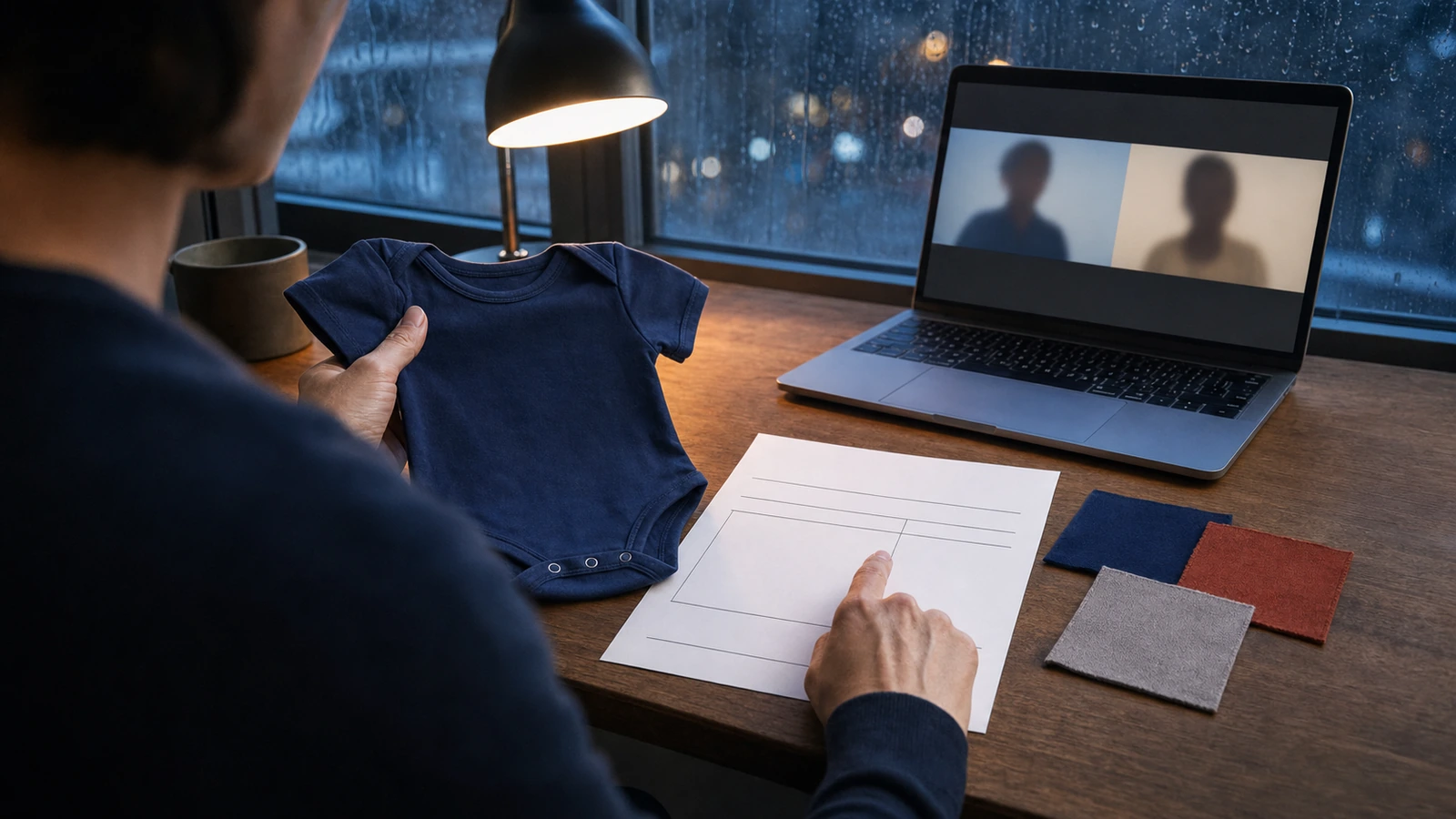
A strong supplier conversation should produce specific, written answers rather than general assurances.
- Is the MOQ measured per style, color, size or total order?
- Can sizes be mixed within the quoted 50-piece starting quantity?
- Which fabric, trim, print and packaging minimums can change the garment MOQ?
- What must be confirmed before the sample clock starts?
- What does the USD 40–90 sample price include?
- Which sample version becomes the production standard?
- How will organic cotton and certification documents be connected to this order?
- Which product category and destination-market requirements have been recorded?
- Which tests are required, and who is responsible for arranging them?
- Which QC points are checked during production and piece by piece at the end?
- Are attachment tests or metal detection required, and where will they be performed?
- What event starts the bulk-production timeline?
- What is excluded from the production lead time?
- Which records will be provided before shipment?
- Who can approve changes, rework and shipment release?
If a supplier can answer these questions clearly, you can compare quotations on risk and execution, not price alone.
Frequently Asked Questions
What is JC Apparel’s MOQ for custom baby clothing?
A typical starting MOQ is 50 pieces per color per style. The final quantity depends on fabric availability, printing method, size breakdown and project specifications.
How much does a babywear sample cost?
Sample fees depend on the garment design, fabric, trims, testing needs and customization requirements. JC Apparel confirms the fee, what is included, shipping, revision charges and any bulk-order credit in the written quotation before development begins.
How long does baby clothing sample development take?
Sample development typically takes about 14–30 calendar days, counted from confirmation of all sample details. International sample delivery is separate unless the quotation states otherwise.
Is every JC Apparel babywear product certified organic?
No certification claim should be applied automatically to every product. JC Apparel works with 100% organic cotton for eligible babywear projects and holds GOTS, OCS and OEKO-TEX® ORGANIC COTTON certifications, but product or order coverage depends on the selected material, specification, certificate scope and applicable transaction or batch documentation.
Is digital printing or screen printing better for a low-MOQ order?
It depends on the artwork, number of colors, fabric, quantity, hand-feel target and performance requirements. Approve the selected method through a strike-off before bulk printing.
How long does bulk babywear production take?
Bulk production commonly takes about one to two months from receipt of the deposit, subject to confirmed order details, final sample approval, material availability and the production schedule. Shipping and customs clearance are not included unless specifically stated.
Conclusion
The right low MOQ baby clothing manufacturer can make a first collection easier to test, but the number alone does not make the project low risk. Define the product and market, close the technical brief, approve a physical sample, verify material and certification coverage, agree on the QC plan and connect the production calendar to clear milestones.
JC Apparel supports eligible custom babywear projects with a typical starting MOQ of 50 pieces per color per style, 100% organic cotton options, digital and screen printing, documented quality checkpoints and project-specific sampling.
Ready to Discuss Your Babywear Collection?
Send JC Apparel your style, estimated quantity, destination market and certification requirements.
Dive Deeper Into Our Resources
For more information about working with JC Apparel: