



Buyer knowledge center
Custom Clothing Manufacturer FAQ OEM & ODM Apparel Manufacturing Guide
Practical answers about MOQ, sampling, materials, quality control, production and international shipping before you work with an apparel factory.
- Operating since 2016
- MOQ references from 50 pcs/style
- OEM & ODM project review
Verified company snapshot
Quick Facts About JC Apparel
These figures describe the company publicly and should be confirmed against current project requirements before an order is placed.
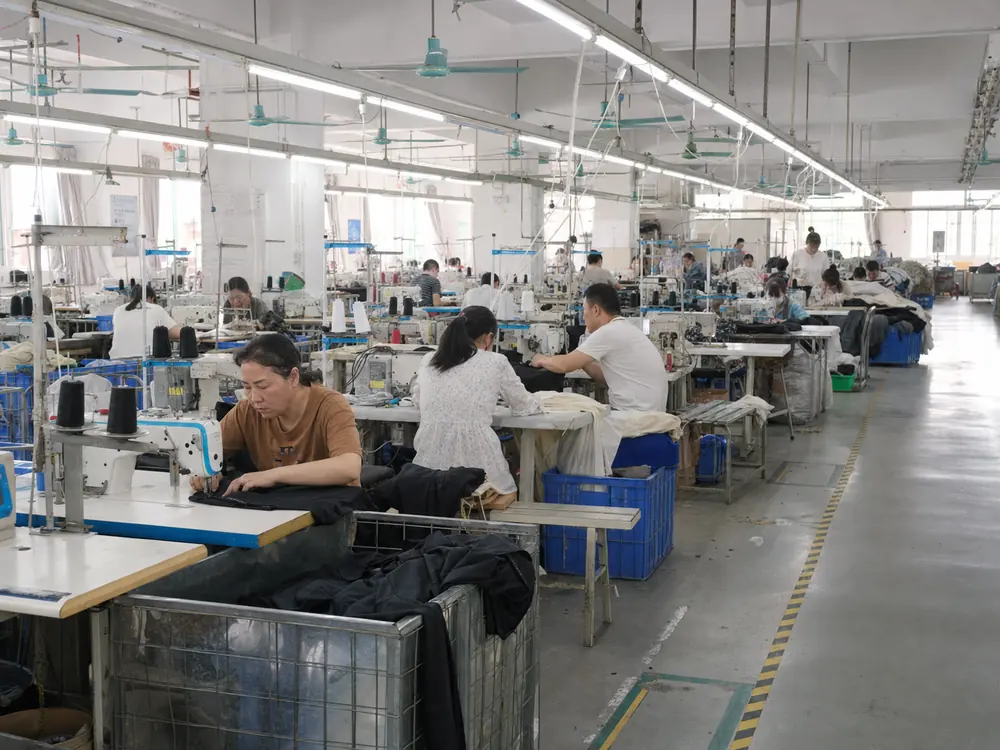
*Capacity depends on garment style, materials and production scheduling. Final MOQ depends on fabric, colors, decoration, sizes, trims and packing.
Buyer-focused manufacturing support
Why Brands Work With JC Apparel
Low-quantity project review
Suitable programs may start from 50 pieces per style; final feasibility is confirmed from the specification.
OEM & ODM support
Projects may begin with a tech pack, reference sample, artwork or an adaptable development direction.
Sampling support
Fit, construction, materials and decoration are reviewed before a project moves into approved bulk production.
Documented quality basis
Approved samples and written specifications create the reference for relevant production checks.
International order coordination
Commercial documents identify the agreed product, packing, shipping method and responsibilities.
Flexible customization
Fabric, fit, color, decoration, labels, trims and packaging are reviewed for project feasibility.
Garment manufacturer FAQ
Starting a Clothing Brand
Practical answers for founders preparing a first private-label or custom clothing program.
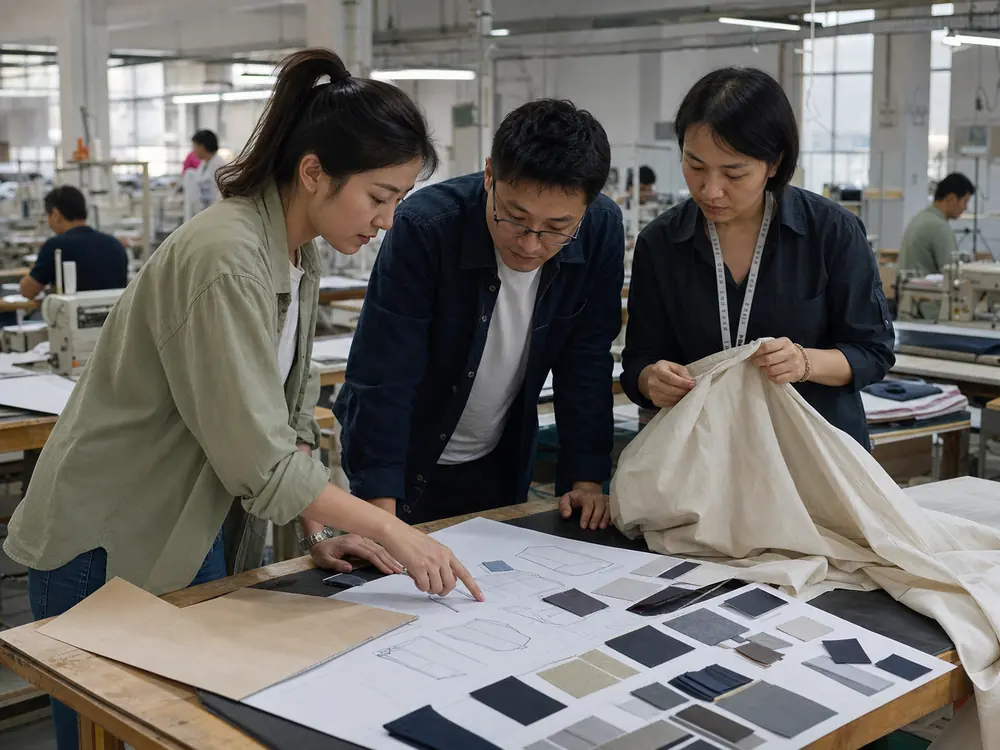
Can I start a clothing brand without a tech pack?
Direct answer: Yes. You can begin with sketches, reference images or an existing garment, but more specifications will be needed before accurate sampling and production can be confirmed.
A tech pack normally reduces ambiguity because it records measurements, construction, materials, colors, artwork, labels and packing. If you do not have one, send clear references and explain the target customer, fit, quantity and intended price level so the development questions can be identified.
What information should I send in my first clothing manufacturing enquiry?
Direct answer: Send the product type, reference files, preferred fabric or GSM, colors, size range, customization, quantity per style and color, destination and target date.
Also identify which details are fixed and which are open to recommendation. A complete project brief helps a custom clothing manufacturer assess feasibility, likely MOQ, sampling work and the information still needed for a meaningful quotation.
Does JC Apparel work with startup clothing brands?
Direct answer: JC Apparel reviews startup and growing-brand projects, but acceptance and terms depend on the garment, specifications, materials, quantity and development work required.
For a first enquiry, provide one or two well-defined styles instead of a broad collection with incomplete details. Product references indicate quantities starting from 50 pieces per style for suitable programs; the final MOQ is confirmed only after project review.
How should I choose the first products for a new clothing brand?
Direct answer: Start with a focused group of styles that share materials, construction or branding requirements.
Concentrating the first program can simplify fabric sourcing, sampling, size approval and quality control. Select styles based on your target customer and sales channel, then validate fit, cost and production feasibility before expanding the range.
Do I need a registered company before requesting a quotation?
Direct answer: You can request an initial project review without proving that you have a registered company, but formal buyer and billing information will be needed before an order is placed.
Provide a real contact name, email, destination market and clear project details. Commercial documents should identify the contracting parties, specifications, payment terms and shipping responsibilities before funds or goods change hands.
How can a startup protect its design when contacting a clothing factory?
Direct answer: Share only the information needed for evaluation, mark confidential files clearly and request a suitable confidentiality agreement when the project warrants it.
Keep dated source files and written records of ownership. A confidentiality agreement does not replace trademark, copyright or design-right advice in your target markets, so obtain professional legal guidance for valuable intellectual property.
How should I evaluate a clothing manufacturer before placing an order?
Direct answer: Verify the legal company identity, facility information, product experience, sample quality, written terms and the evidence behind any certification or capacity claim.
Ask for a quotation tied to your specifications, confirm the payment beneficiary, and consider a video review, factory visit or independent inspection where appropriate. Avoid relying only on logos, social-media images or an unusually low unit price.
What costs should I budget for besides the garment unit price?
Direct answer: Budget for development, samples, patterns, custom materials or trims, labels, packaging, testing, inspection, freight, duties and taxes where applicable.
Not every project uses every cost item. Ask for quotations to separate one-time development charges, production charges and logistics responsibilities so you can compare total landed cost rather than unit price alone.
Garment manufacturer FAQ
OEM & ODM Clothing Manufacturing
Definitions and project controls for OEM, ODM and private-label apparel development.
| Route | Buyer typically provides | Manufacturer role | Best starting point |
|---|---|---|---|
| OEM | Original design and detailed specifications | Feasibility, sampling and production to the approved basis | Tech pack, artwork or reference sample |
| ODM | Product direction and required changes | Adaptable concept or base-style development | Target market, use, quantity and customization brief |
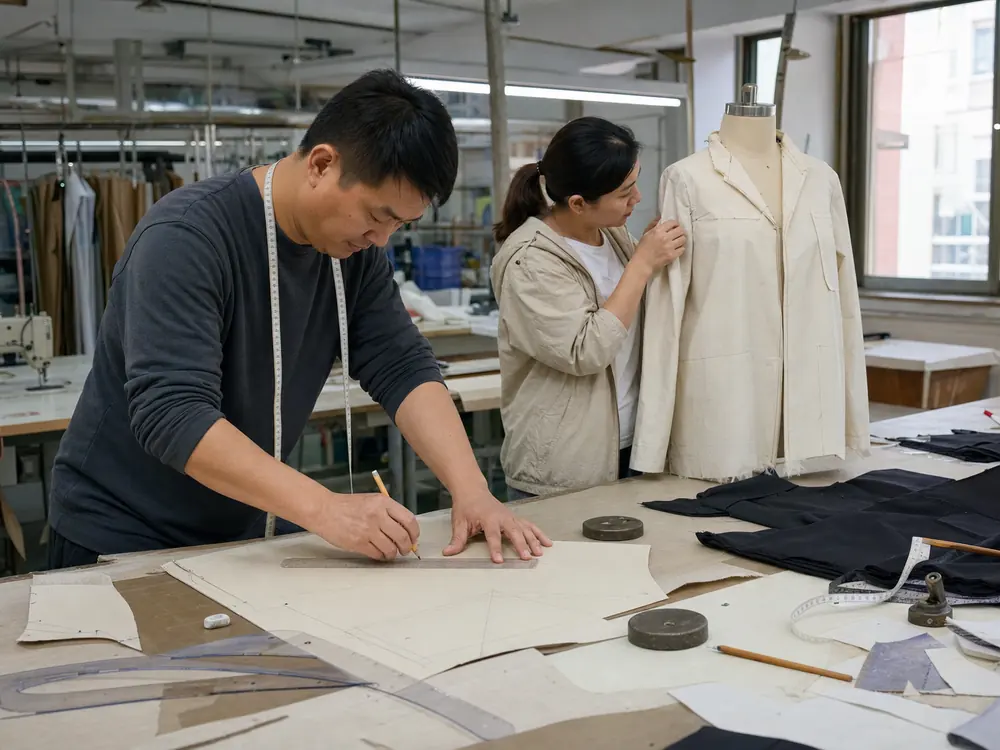
What is the difference between OEM and ODM clothing manufacturing?
Direct answer: OEM normally follows the buyer's design and specifications, while ODM begins with a manufacturer-supported concept or adaptable base style that is developed for the buyer.
In practice, the boundary can overlap. Confirm who owns the design, who supplies the tech pack, what may be changed, and which sample and written specifications will control bulk production.
What is private-label clothing manufacturing?
Direct answer: Private-label manufacturing produces garments for sale under the buyer's brand, with agreed labels, branding, packaging and product specifications.
The garment may be based on the buyer's original design, a developed reference or an adaptable style. Private label describes the branding arrangement; it does not by itself define the level of OEM or ODM development.
Can JC Apparel manage a full custom apparel project from idea to bulk production?
Direct answer: JC Apparel can review projects that require support across materials, construction, sizing, customization, sampling and production planning, subject to product feasibility.
The exact scope is defined after the brief is reviewed. Written approvals should identify the final materials, measurements, artwork, labels, packing, tolerances, price and production schedule before bulk work begins.
Can a garment be developed from an existing sample?
Direct answer: Yes, an existing sample can be used as a development reference, but it does not guarantee an exact copy.
Fabric availability, machinery, construction methods and intellectual-property restrictions can affect the result. Document the required measurements, fit changes, materials and acceptable differences instead of relying on the reference garment alone.
Can I customize an existing base style?
Direct answer: A base style may be adaptable in fabric, color, measurements, decoration, labels or packaging, depending on technical and supplier constraints.
List every requested change and request a development sample. A small-looking change, such as fabric weight or neckline construction, can affect fit, pattern, cost and MOQ.
Will JC Apparel manufacture copies of branded products?
Direct answer: A legitimate manufacturer should not knowingly reproduce protected branding or designs without authorization.
Reference garments may be used to communicate fit or construction, but buyers remain responsible for providing lawful artwork and confirming their rights. Remove third-party logos and protected design elements unless you have documented permission.
Which documents should control an OEM or ODM order?
Direct answer: The controlling documents should include the approved sample, final tech pack or specification sheet, measurements, bill of materials, artwork, labels, packaging and commercial terms.
Give files clear version numbers and record approvals in writing. If a physical sample and written specification conflict, resolve the conflict before bulk production rather than relying on assumptions.
Should I ask whether production is subcontracted?
Direct answer: Yes. Ask which operations are performed at the stated facility and which may be handled by approved specialist suppliers or partner facilities.
Printing, embroidery, washing, testing or other processes are sometimes specialized. If factory location, audit scope or supply-chain approval matters to your brand, document the permitted production sites and disclosure requirements in advance.
Garment manufacturer FAQ
MOQ, Sampling & Production Timeline
Project-specific guidance on order quantities, development samples, approvals and scheduling.
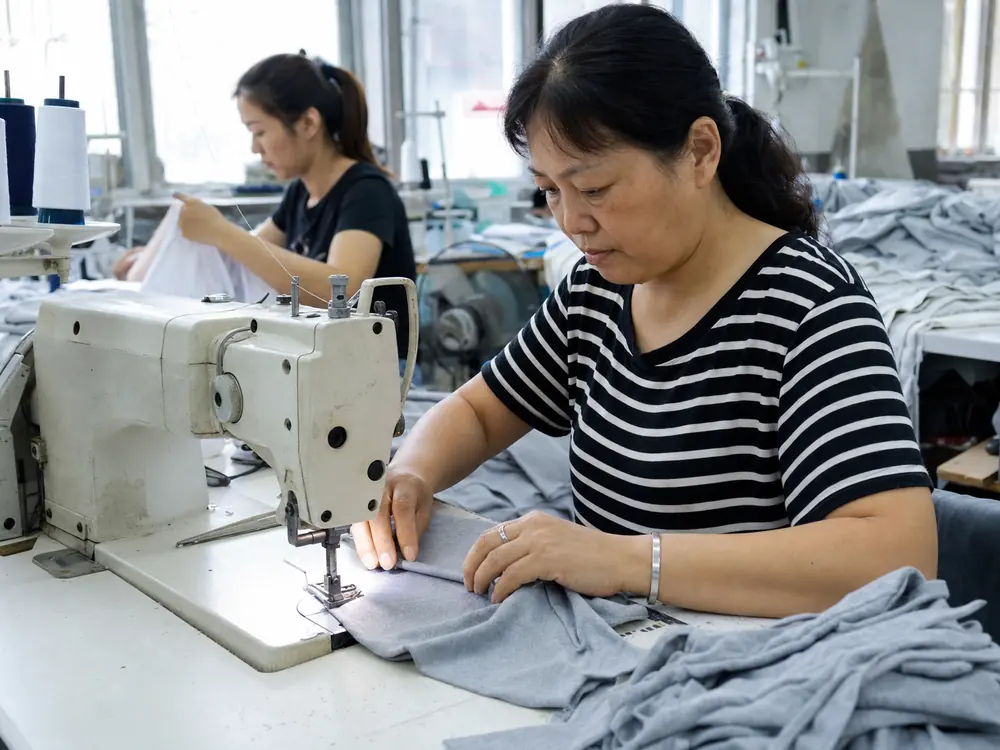
What is JC Apparel's minimum order quantity?
Direct answer: Product references indicate MOQ starting from 50 pieces per style for suitable programs, but the final MOQ is project-specific.
Garment type, fabric availability, color count, decoration, labels, packaging, sizes and quantity breakdown can all change the workable minimum. Send the complete specification for a low-MOQ clothing manufacturing assessment.
Why does the MOQ change between clothing styles?
Direct answer: MOQ changes because materials, dyeing, trims, decoration and production processes have different supplier and setup minimums.
A stock fabric and simple print may support a different quantity from custom-dyed fabric, molded trims or a complex washed finish. Combining too many colors and sizes can also make a small total order impractical.
Can I order a sample before bulk production?
Direct answer: Sample development may be available after the design, materials and customization requirements have been reviewed.
A sample is used to assess fit, construction, fabric, color and decoration before bulk approval. Sample availability, price, expected timing and revision terms should be confirmed in writing before development starts.
How much does an apparel sample cost and how long does it take?
Direct answer: There is no reliable fixed sample price or lead time without reviewing the garment, material sourcing and customization.
Pattern work, custom fabric, prints, embroidery, washing and trim development can change both cost and schedule. JC Apparel should confirm the sample fee, target date, included work and revision arrangement for the specific project.
How many sample revisions are included?
Direct answer: The number of included revisions is not universal and should be agreed before sampling begins.
Ask whether the quoted sample fee covers one sample or also covers specific corrections. Buyer-requested design changes, new materials or revised artwork may require additional cost and time.
How long does bulk clothing production take?
Direct answer: Bulk production time is estimated only after specifications, sample approval, materials, quantity and the production schedule are confirmed.
Material procurement, garment complexity, decoration, approval speed and factory loading affect the plan. Shipping time is separate. Treat any generic lead-time range as guidance, not a binding commitment for an unreviewed order.
What commonly delays apparel sampling or production?
Direct answer: Incomplete specifications, slow approvals, unavailable materials, artwork changes and failed tests are common causes of delay.
Reduce avoidable delays by freezing the bill of materials, measurements, artwork and packing requirements, naming one approval contact, and responding to sample comments in a consolidated written document.
Can JC Apparel accept a rush clothing order?
Direct answer: Rush feasibility must be checked against material availability, sample status, capacity and shipping requirements at the time of enquiry.
Provide the required in-hand date, destination, quantity and non-negotiable specifications. Do not approve an accelerated plan until the quotation states the production assumptions, approval deadlines and shipping method.
Garment manufacturer FAQ
Quality Control & Manufacturing Process
How approved specifications, inspections and written records control custom apparel production.
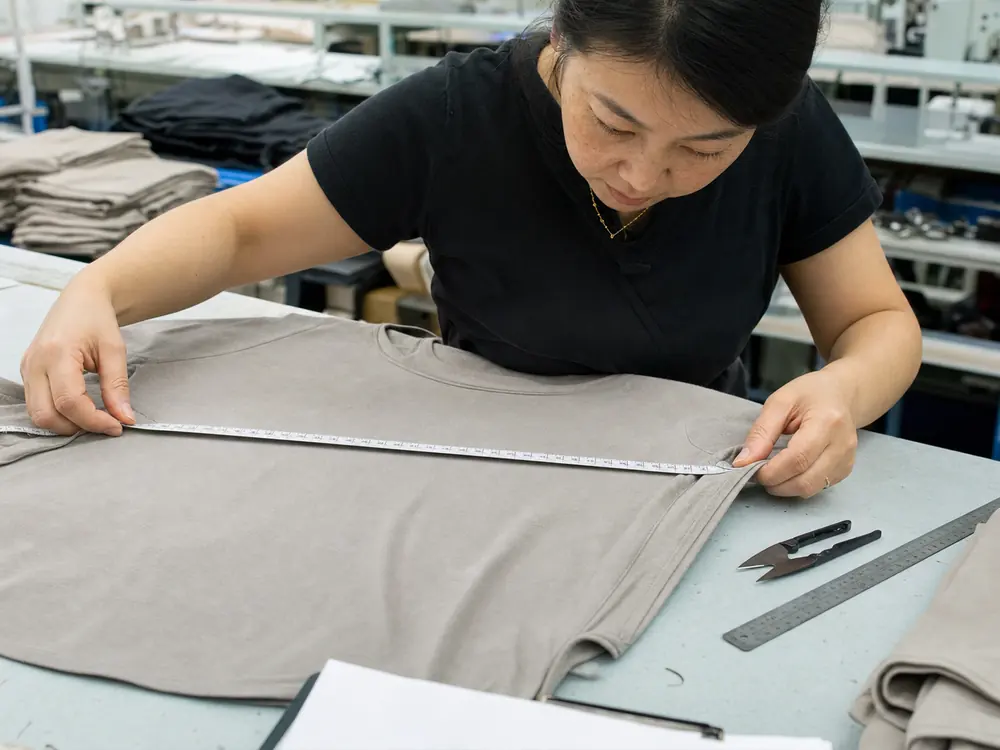
What are the main steps in custom clothing manufacturing?
Direct answer: A typical project moves through brief review, material selection, pattern development, sampling, approval, bulk production, inspection, packing and shipping.
The exact sequence depends on the garment and customization. Each approval point should produce a written or physical reference that the next stage can follow.
How is garment quality checked during production?
Direct answer: Quality checks should compare the product with the approved sample and written specifications at relevant production stages.
Depending on the order, checks may cover fabric, measurements, stitching, construction, decoration, labels, appearance and packing. The buyer and manufacturer should agree on tolerances, inspection scope and acceptance criteria before bulk production.
Why is an approved sample important for quality control?
Direct answer: The approved sample provides a physical reference for fit, construction, materials and workmanship during bulk production.
It should be supported by the final measurement chart, bill of materials, color and artwork approvals. A sample alone may not record hidden construction details or permitted tolerances.
Will every garment in a bulk order be completely identical?
Direct answer: No manufacturing process produces absolute identity; agreed tolerances are used to define acceptable variation.
Measurements, fabric shade and handcrafted decoration can vary within controlled limits. Define measurement tolerances, shade expectations and appearance standards before production so quality decisions are not based on subjective expectations after delivery.
What should happen if defective garments are found?
Direct answer: Document the issue promptly with quantities, measurements, photographs, carton details and the relevant approved specification.
The remedy depends on the agreed inspection standard, contract and evidence. Define claim deadlines, acceptable quality limits and responsibility for rework, replacement or other resolution before placing the order.
Can I arrange a third-party inspection?
Direct answer: Third-party inspection can be considered when requested, but the scope, timing, access, cost and acceptance standard must be agreed before inspection.
Provide the inspector with the final specifications, approved sample and sampling plan. If you require AQL inspection, state the inspection level and acceptable quality limits in the purchase terms rather than assuming a default.
What is the difference between pre-production, inline and final inspection?
Direct answer: Pre-production checks readiness, inline inspection checks work while it can still be corrected, and final inspection checks finished and packed goods before shipment.
Not every order uses the same inspection plan. Choose stages according to product risk, order value, complexity and buyer requirements, then document who performs each check and how results are approved.
Garment manufacturer FAQ
Fabric Selection & Customization
Material, color, decoration, labeling and packaging decisions for custom garments.
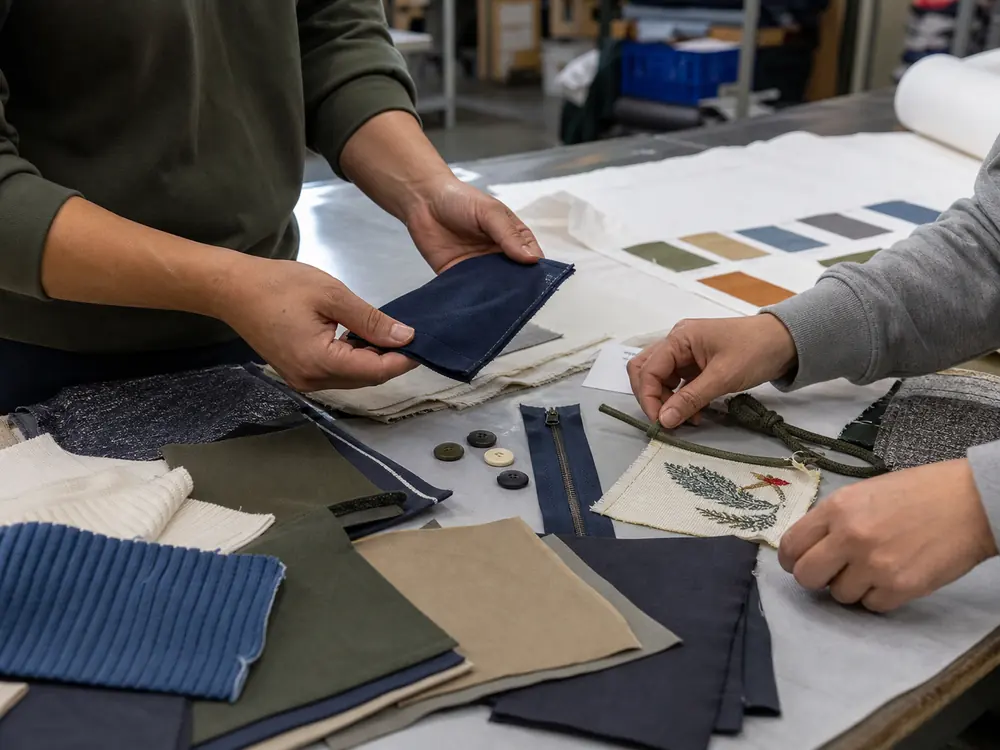
Can JC Apparel help source fabric and recommend GSM?
Direct answer: Fabric sourcing and GSM guidance can be reviewed according to the garment type, season, target market, hand feel, performance needs and order quantity.
Provide the preferred fiber composition and a physical or visual reference when possible. Final selection depends on availability, MOQ, price, testing needs and whether stock, custom-dyed or specially developed material is required.
Can I request custom fabric, custom dyeing or a specific Pantone color?
Direct answer: Custom material or color development may be possible, but supplier minimums, lab-dip approval, testing and production variation must be reviewed.
State the color standard and viewing conditions, then approve a lab dip or material sample before bulk production. Pantone references guide color communication but do not eliminate the need for a physical approval on the actual fabric.
What clothing customization options are available?
Direct answer: Depending on feasibility, customization may include fit, measurements, fabric, colors, printing, embroidery, trims, washes, labels, hangtags and packaging.
The suitable method depends on the garment, artwork, material and quantity. Provide placement, dimensions, colors, artwork format and desired finish so the manufacturer can assess production limits and sample requirements.
How is fabric or print color approved?
Direct answer: Color should be approved against a named standard or physical sample under agreed viewing conditions before bulk production.
Use lab dips, strike-offs or print samples where appropriate. Screens and photographs are not reliable final color standards, and reasonable shade tolerance should be documented for bulk fabric and garment washing.
Can fabric shrinkage, colorfastness or performance be tested?
Direct answer: Relevant material or garment testing can be discussed when the required test method, standard, sample stage, laboratory and pass criteria are specified.
Testing is not automatically included in every order. Confirm who arranges and pays for tests, what happens after a failure, and whether the report applies to the material, production lot or finished garment.
Can custom labels, hangtags and packaging be supplied?
Direct answer: Custom labels, hangtags, polybags and other packaging may be available subject to artwork, supplier requirements and order quantity.
Provide dimensions, materials, colors, wording, barcode data and placement. The buyer is responsible for reviewing legal labeling and packaging requirements in the destination market before approval.
Garment manufacturer FAQ
International Shipping & Payment
How apparel buyers define freight, customs responsibility, commercial terms and payment controls.
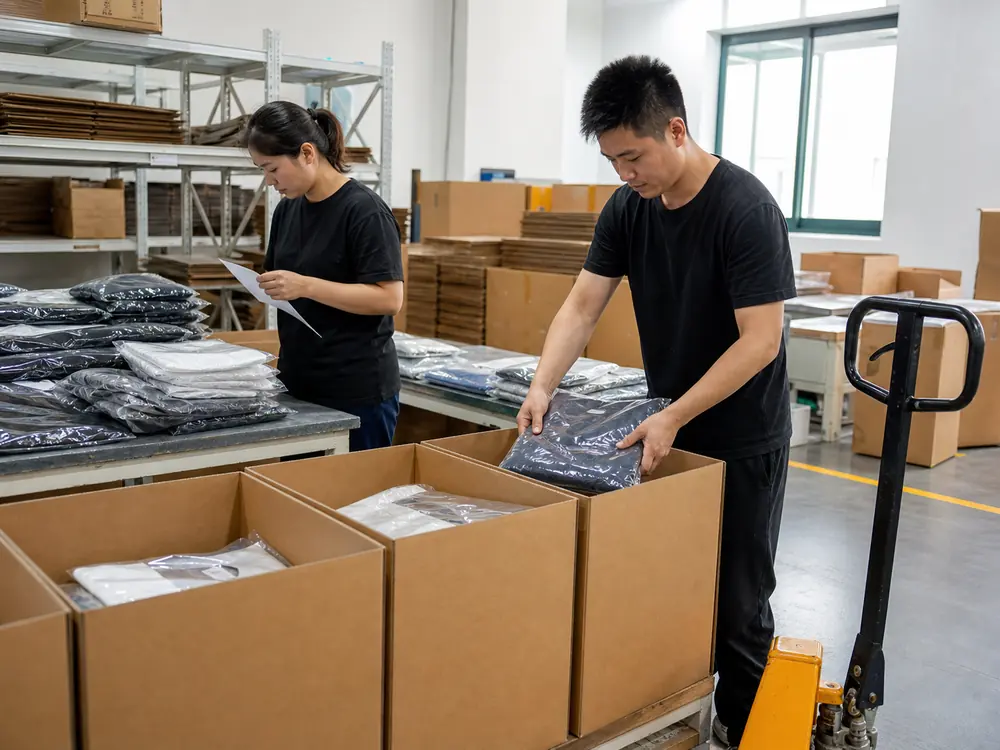
What international shipping methods are available for clothing orders?
Direct answer: Express, air freight or sea freight may be considered depending on destination, volume, urgency and import requirements.
The available route and carrier must be checked for the specific shipment. The quotation should state the shipping method or Incoterm and identify responsibility for freight, insurance, duties, taxes and customs clearance.
How do I choose between express, air and sea freight?
Direct answer: Choose by comparing shipment size, required delivery date, total landed cost and customs complexity.
Express is often considered for small urgent shipments, air freight for time-sensitive commercial cargo, and sea freight for larger non-urgent volumes. Request order-specific estimates because rates, surcharges and transit conditions change.
Which Incoterm should be used for an apparel order?
Direct answer: Use the Incoterm that clearly matches the buyer's and seller's agreed transport, cost and risk responsibilities.
Do not select EXW, FOB, CIF, DAP or another term by label alone. Name the Incoterm version and place, then confirm export clearance, main freight, insurance, import clearance, duties and final delivery responsibilities with a qualified freight or customs adviser.
Are import duties and taxes included in the clothing price?
Direct answer: Import duties and taxes are not assumed to be included unless the quotation and Incoterm expressly say so.
The buyer should confirm tariff classification, origin documentation, import rules and local charges with a customs professional. A manufacturer's estimate is not a substitute for destination-country customs advice.
What payment methods and terms does JC Apparel accept?
Direct answer: Available payment methods, deposit or balance timing and beneficiary details are confirmed on the official quotation or invoice for each order.
Terms may depend on the project and commercial review. Do not send funds based only on chat messages; verify the legal payee, account details, currency and payment milestone through an established contact.
How can I reduce payment fraud risk when buying apparel internationally?
Direct answer: Verify the beneficiary against the legal company and confirm any bank-detail change through a previously established contact channel before paying.
Match the quotation, invoice and contract details; retain payment records; and pause if an urgent message requests a new account. Use appropriate banking, legal or trade-risk advice for the value and jurisdiction of the transaction.
Garment manufacturer FAQ
Factory Trust & Company Information
Public company facts and a verification framework for responsible apparel sourcing.
Are JC Apparel and Dongguan Jingchen Clothing Co., Ltd. the same company?
Direct answer: Yes. JC Apparel is the abbreviated company name of Dongguan Jingchen Clothing Co., Ltd.; both names refer to the same company and manufacturing team.
The full legal company name should appear on formal quotations, contracts, invoices and payment documents. Buyers should verify that the beneficiary and commercial documents are consistent before placing an order.
Where is JC Apparel located and how long has the company operated?
Direct answer: JC Apparel is based in Humen, Dongguan, Guangdong, China, and the website describes the company as operating since 2016.
For formal due diligence, compare the address and legal name on current business documents, quotations and invoices rather than relying on a marketing summary alone.
What are JC Apparel's factory size, team size and monthly capacity?
Direct answer: The current public About page describes an approximately 1,000-square-metre facility, more than 100 team members and reported capacity of up to approximately 100,000 pieces per month.
Capacity is not a fixed promise: it depends on garment style, materials and production scheduling. Buyers should request current, project-specific capacity confirmation for the planned garment, materials, quantity and delivery window.
Does JC Apparel hold BSCI, OEKO-TEX or SGS certification?
Direct answer: Certification status must be verified with current documents for the relevant factory, material, test or order; these names should not be treated as blanket finished-product certification.
Ask for the certificate or report number, holder name, issuing body, scope, site, standard and validity date. JC Apparel's public company information says supplier or material documents and agreed third-party testing can be reviewed for suitable projects, with scope, timing and cost confirmed before order placement.
Can buyers arrange a factory visit, video review or independent audit?
Direct answer: A visit, live video review or independent audit should be requested and confirmed in advance; availability and scope cannot be assumed.
State the purpose, requested areas, preferred date, participants and required records. For an audit, confirm the legal site, audit standard, confidentiality rules, cost and whether any specialist or partner operations fall outside the reviewed location.
Product capabilities
Products We Manufacture
These categories are development references. Fabric, fit, construction, decoration and quantity are reviewed for each custom project.
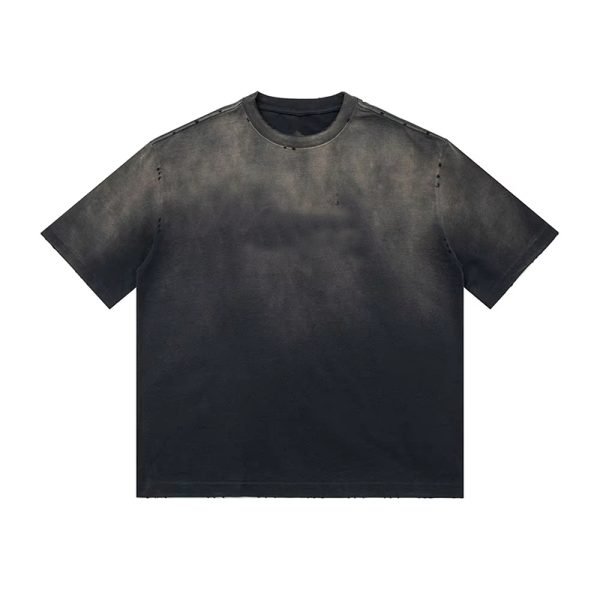
Custom T-Shirts
Private-label tees with reviewed fabric, fit, color, labels and decoration.
Explore capability →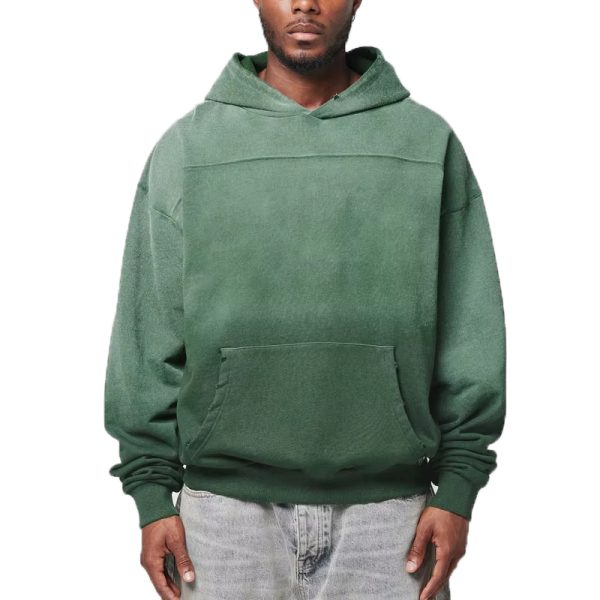
Hoodies & Sweatshirts
Pullover and zip styles with fabric, wash, trim and branding options.
Explore capability →
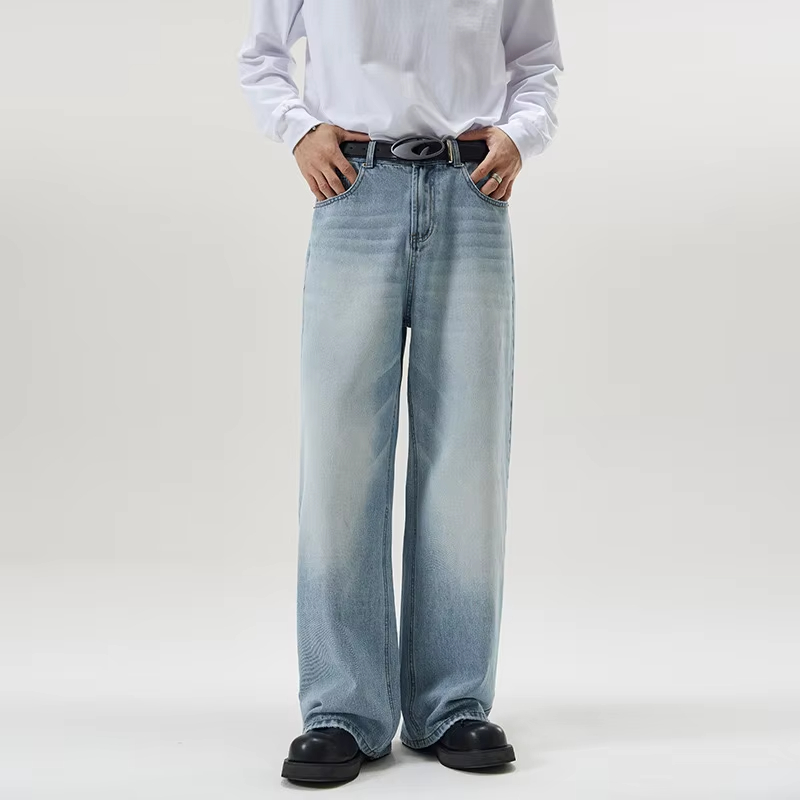
Denim
Jeans and denim garments reviewed for wash, construction, trim and finishing.
Explore capability →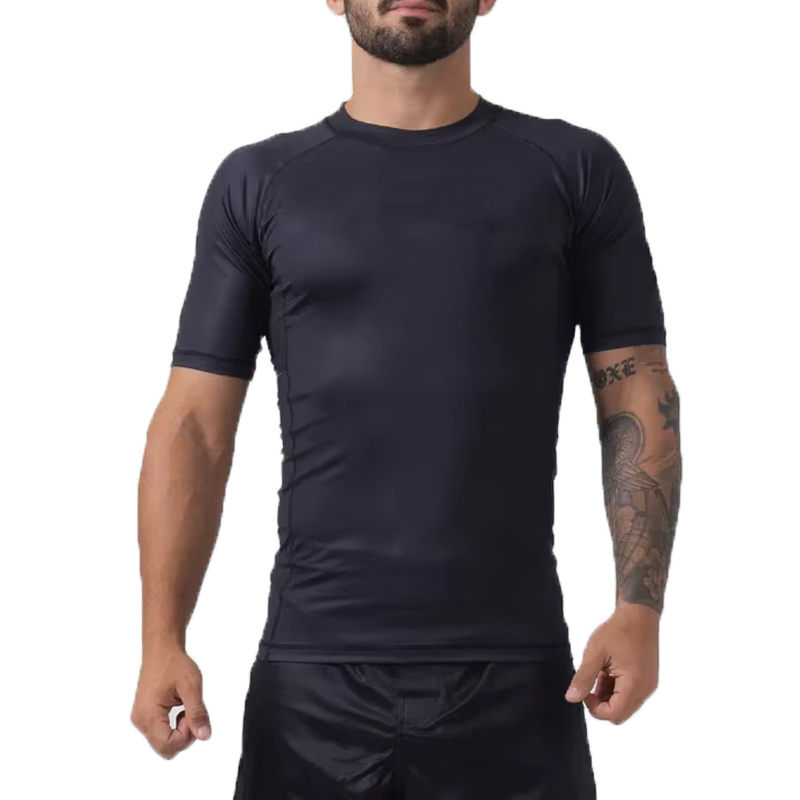
Activewear
Stretch and performance garments developed around end use and material behavior.
Explore capability →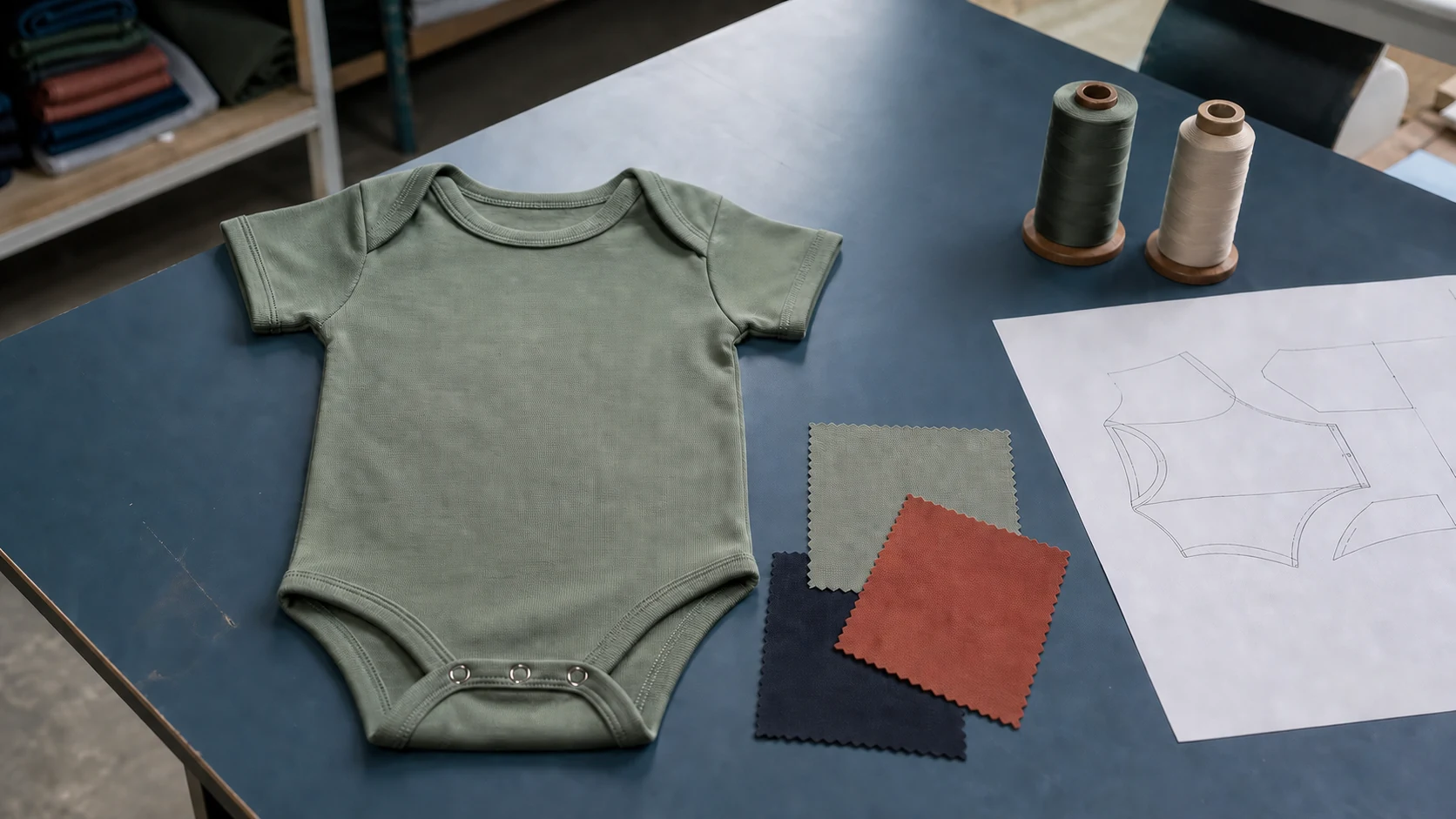
Kidswear
Children’s apparel programs reviewed for materials, sizing, trims and intended market.
Explore capability →Evidence before claims
Documentation & Trust
Trust should be based on current, scope-matched evidence and written project controls—not on unverified certification logos.
Company identity
Formal quotations, contracts, invoices and payment records should use the full legal company details.
Written production basis
Approved samples, measurements, materials, artwork, labels, tolerances and packing define the order.
Inspection planning
Inspection scope, timing, access and acceptance criteria should be agreed for the specific order.
Document verification
Ask for the holder, issuer, scope, site, standard, report number and validity date of any relevant document.
This page does not claim blanket BSCI, OEKO-TEX or SGS certification. A factory audit, material certificate or test report applies only to its named holder, site, standard, scope and validity period. Request current documentation relevant to your actual project.
Project-specific answers
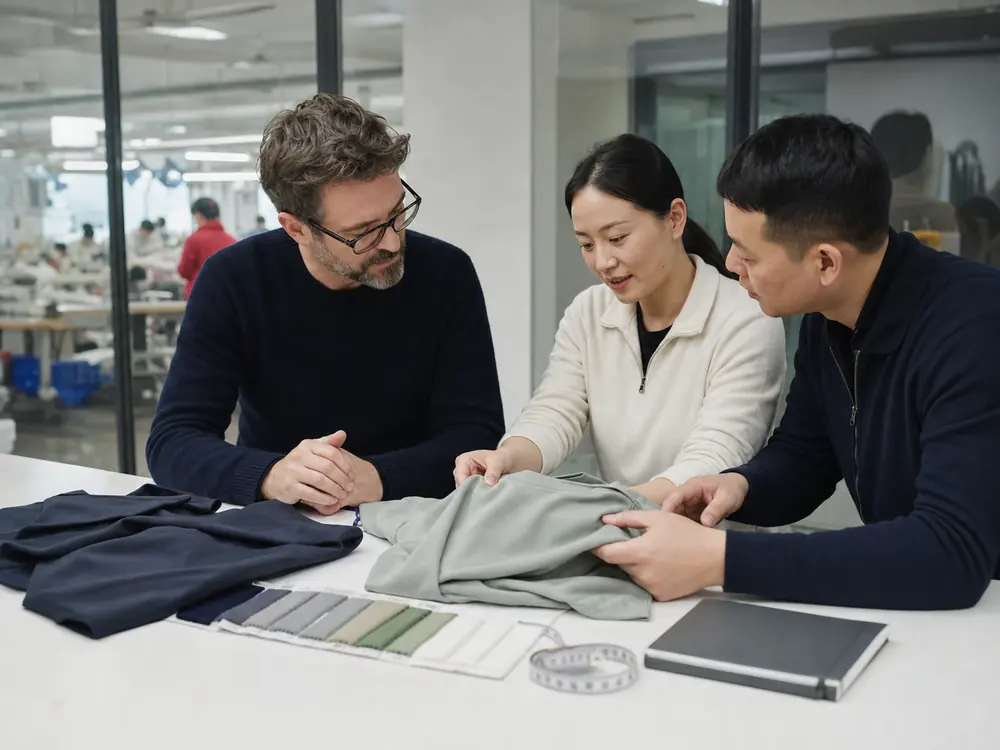
Need a Reliable Clothing Manufacturing Partner?
Send your design, idea or tech pack. Our team can review MOQ, sampling, production timing and customization options for the actual product.