




Best Fabrics for Custom Men’s T-Shirts

Create a custom shirt with JC Apparel

How to Pick the Right T-Shirt Fabric?

How to Pick the Right T-Shirt Fabric

When designing custom men’s T-shirts, fabric choice impacts comfort, durability, and style. Consider these factors:

  • Climate‌: Breathable fabrics like cotton suit hot weather; synthetic blends work for activewear.
  • Purpose‌: Gym shirts need moisture-wicking materials; casual wear prioritizes softness.
  • Durability‌: High-traffic areas (like collars) require stronger blends.
  • Brand Aesthetic‌: Linen’s rustic texture appeals to eco-conscious brands; polyester suits modern, sporty designs.

Cotton

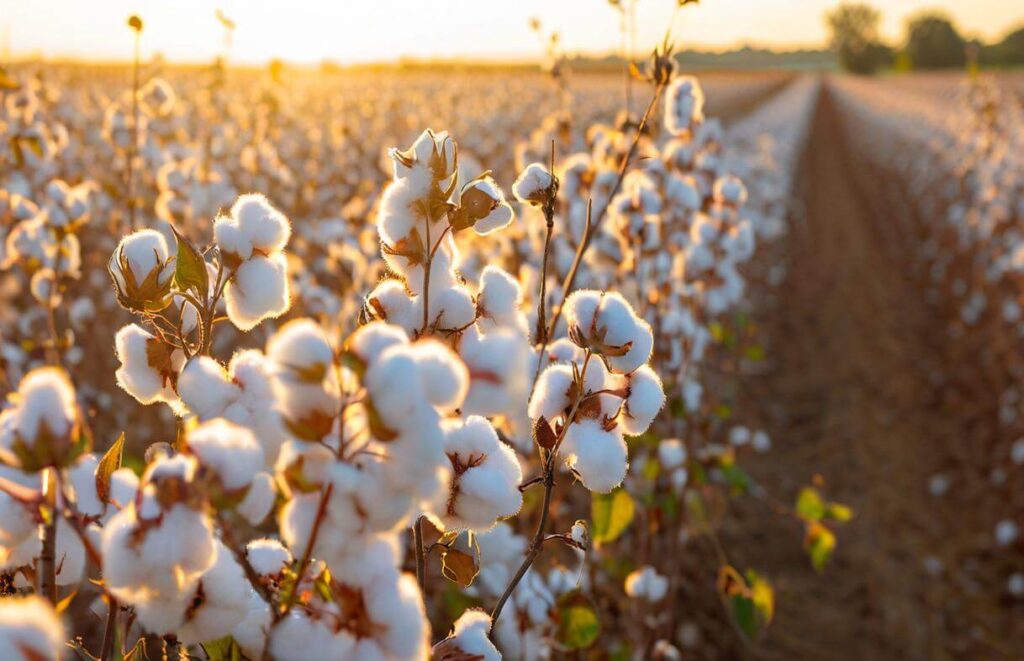
Cotton plants in a field at sunset

Cotton reigns supreme for everyday comfort.

  • Pros‌: Soft, breathable, hypoallergenic, and easy to dye.
  • Cons‌: Prone to shrinking and wrinkles; less durable than synthetics.
  • Best For‌: Casual wear, hot climates, and sensitive skin.
  • Tip‌: Opt for ‌combed cotton‌ for a smoother finish or ‌organic cotton‌ for sustainability.

Polyester

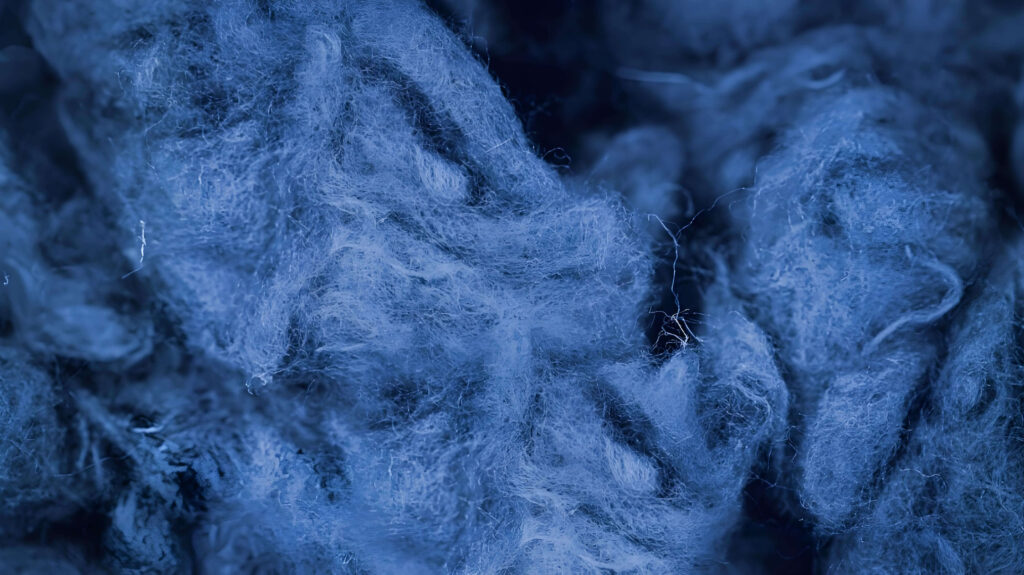
Close-up of blue polyester fibers

A synthetic powerhouse for performance-driven designs.

  • Pros‌: Wrinkle-resistant, quick-drying, and retains color vibrancy.
  • Cons‌: Less breathable; may trap odors.
  • Best For‌: Gym wear, sublimation printing, and budget-friendly bulk orders.
  • Blend Hack‌: Mix with cotton (e.g., 50/50) to balance breathability and durability.

Linen

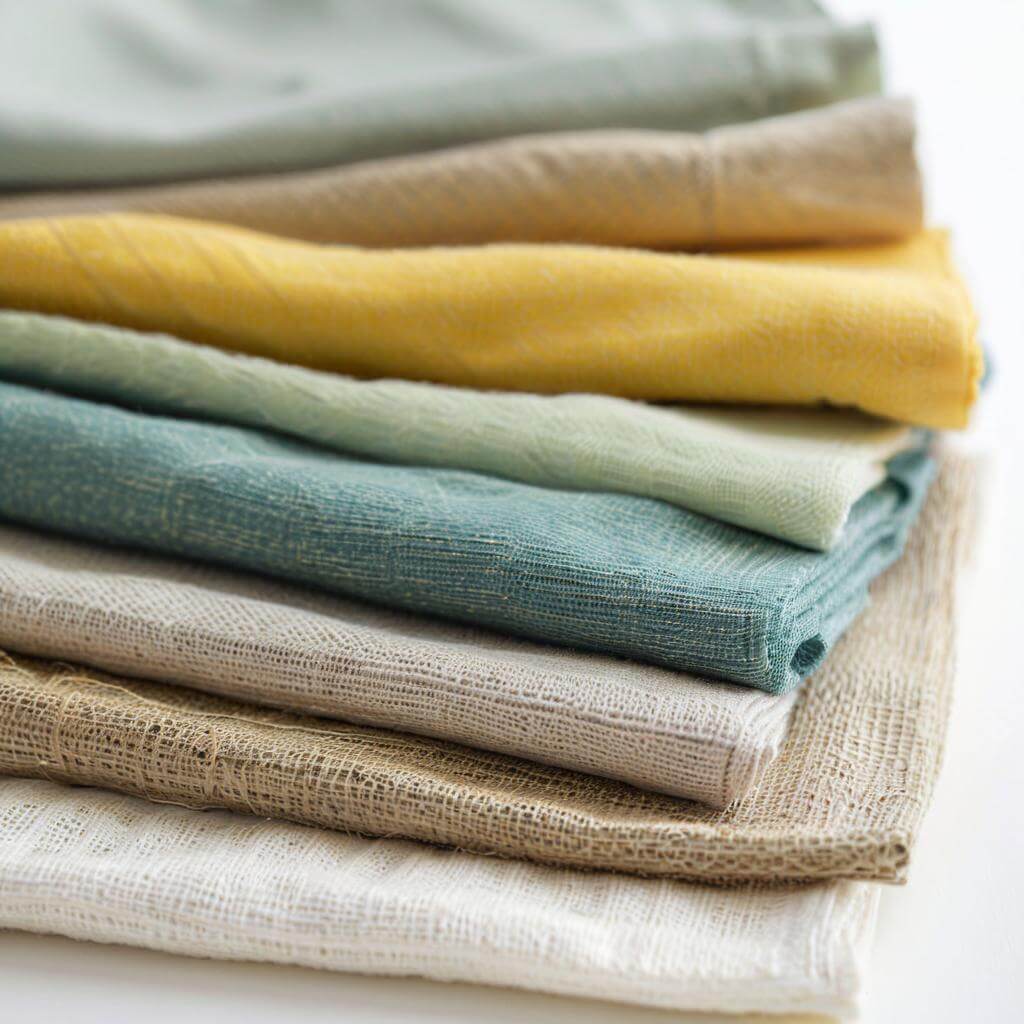
Stack of folded linen fabrics in neutral and pastel colors

The ultimate summer fabric for a relaxed, upscale look.

  • Pros‌: Lightweight, ultra-breathable, and naturally antibacterial.
  • Cons‌: Wrinkles easily; stretches over time.
  • Best For‌: Beachwear, resort collections, or brands targeting a “laid-back luxury” vibe.
  • Care Note‌: Hand-wash or dry-clean to preserve texture.

T-Shirt Blends and Blend Ratios

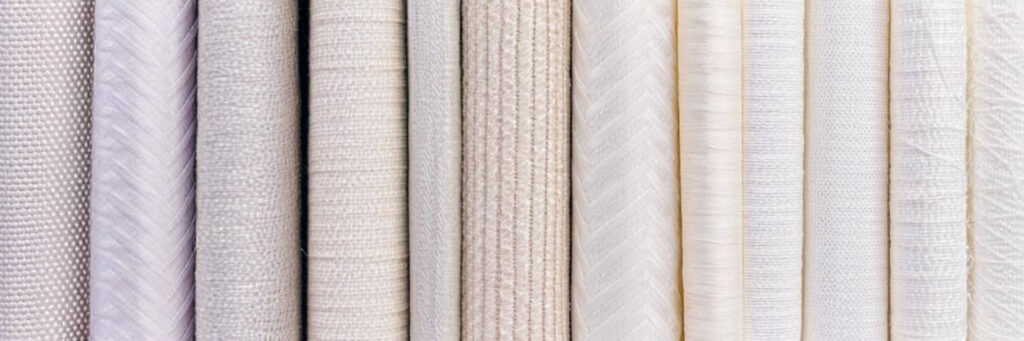
Rolls of white T-shirt fabrics with different weaves

Blending fabrics maximizes benefits:

  1. Cotton-Polyester (65/35)‌: Ideal for durability and moisture control.
  2. Tri-Blend (Cotton-Polyester-Rayon)‌: Offers a vintage, soft feel.
  3. Cotton-Spandex (98/2)‌: Adds stretch for athletic fits.
    Pro Tip‌: Test fabric samples to ensure the blend aligns with your design goals.

In Conclusion

The “best” fabric depends on your audience and use case:

  • Classic appeal‌: 100% cotton.
  • Active lifestyles‌: Polyester blends.
  • Premium minimalism‌: Linen or organic cotton.

Make Your Own Custom Products Today!

Ready to turn fabric knowledge into a unique brand identity? Partner with a manufacturer that offers:

  • Custom dyeing and printing techniques.
  • Small-batch production for startups.
  • Eco-friendly material certifications.

Be Your Own Boss

Be Your Own Boss

Launching a custom T-shirt line empowers you to:

  • Control quality‌: Choose fabrics that reflect your values.
  • Stand out‌: Experiment with textures like slub cotton or recycled blends.
  • Scale smart‌: Start with limited editions and expand based on demand.

Make It Happen Today!

Make It Happen Today!

Don’t let analysis paralysis hold you back. Draft your design, request fabric swatches, and collaborate with suppliers to bring your vision to life. Your perfect T-shirt is one stitch away!

Picture of Paco Deng

Paco Deng

Paco Deng is the CEO of JC Apparel and works with the team on custom clothing development and production for fashion brands.

From guide to project

Apply “Best Fabrics for Custom Men’s T-Shirts” to Your Apparel Project

Use this guide as background information when preparing your product brief. JC Apparel reviews the actual garment specifications, materials, customization, quantities and approval requirements before confirming a manufacturing plan.

Prepare references
Send a tech pack, sketch, reference image or sample with the intended fit, construction and visual details.
State material needs
Include fabric composition, preferred GSM, hand feel, performance requirements, colors and decoration methods.
Confirm through sampling
Document approved fit, construction, fabric, decoration, tolerances and packing requirements before bulk production.
Scroll to Top